Building Maintenance
Building Maintenance: Tips, Costs & Best Practices
Building maintenance is essential for keeping properties safe, efficient, and valuable. This guide covers building maintenance costs, preventive maintenance strategies
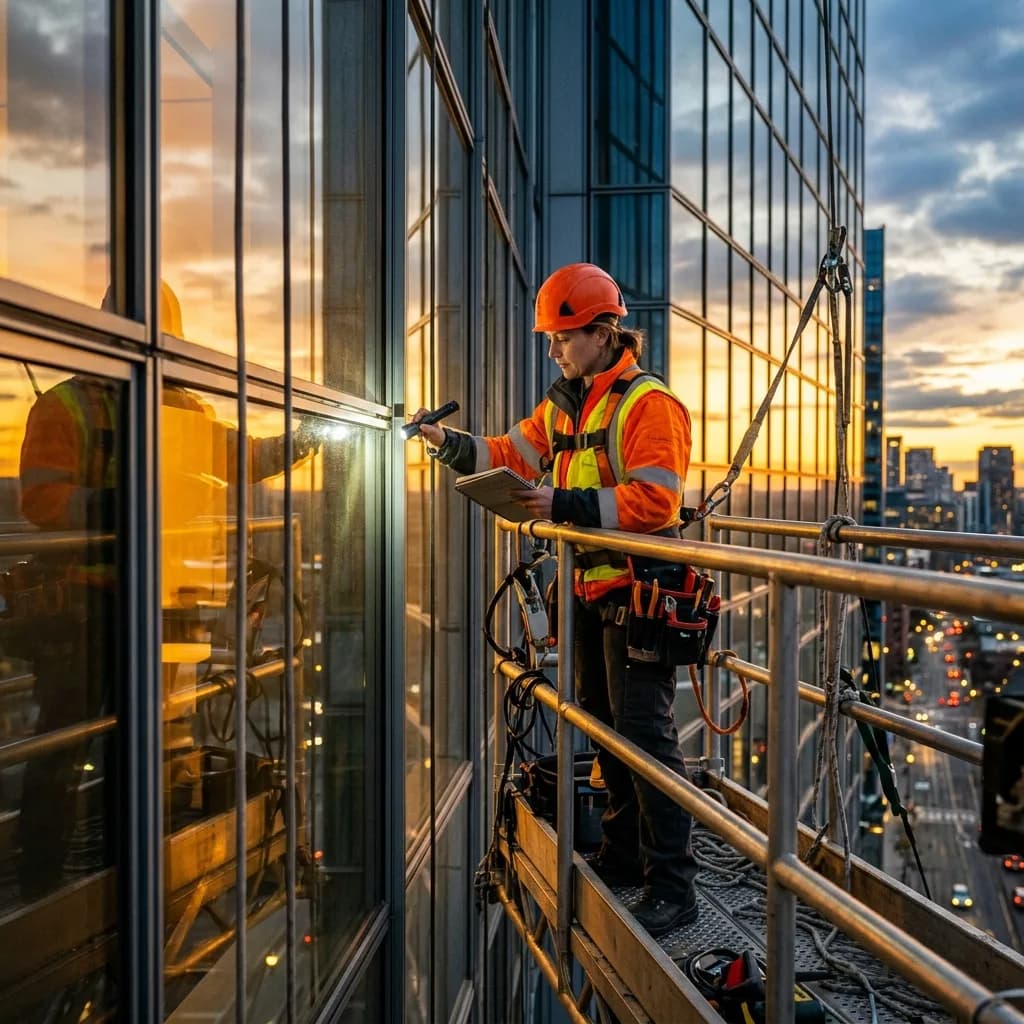
Building maintenance is the ongoing care of a building's structure, systems, and tools to keep them safe, working well, and saving money. Costs change a lot depending on the size, age, and location of the building, but most property owners plan to spend between 1% and 4% of the building's value each year. A proactive maintenance plan cuts down on emergency repairs, increases the life of assets, and keeps tenants happy.
There are many things that you need to do when you own or manage a property. One of the most important and easy to forget is building upkeep. Small problems, like roofs that leak or HVAC systems that stop working, can quickly become big ones that cost a lot to fix if they aren't found early on.
This guide explains what maintenance on a building really means, how much it usually costs, and the best ways to keep things running smoothly all year long. Knowing these basics can save you time, money, and stress, whether you are in charge of a single rental unit or a large business portfolio.
What Is Building Maintenance?
Maintenance on a building includes all the tasks that need to be done to keep the building and all of its parts in good shape. This includes everything from regular maintenance like cleaning and landscaping to checking electrical systems, maintenance on HVAC units, and fixing plumbing problems.
Maintenance can be broken down into three main groups:
Maintenance to avoid problems: Like changing the filter, cleaning the gutters, or doing an annual inspection, these are planned chores that are meant to find problems before they happen.
Corrective maintenance is when you fix something after it breaks, like replacing a broken light fixture or fixing a burst pipe.
Predictive maintenance is the process of using data and tracking tools to figure out when equipment is most likely to break down so that it can be fixed before it does.
A good building care plan uses all three methods together, focusing on prevention while still being ready for the unexpected.
Why Does Building Maintenance Matter So Much?
Not doing regular maintenance on a building can cause repairs that are inconvenient, but it can also make the building less safe, lower its value, and make tenants leave. This is why maintenance is important:
Savings on costs: When you take care of small problems early on, they don't grow into expensive situations.
Safety: Buildings can meet fire, electrical, and structural codes with the help of regular checks.
Tenant retention: A building that is well taken care of will keep tenants happy and lower turnover.
Longevity of assets: Regular maintenance makes big systems like roofing, HVAC, and plumbing last longer.
Property value: The market value of a building that is in good shape usually stays the same or goes up over time.
How Much Does Building Maintenance Cost?
The cost of building maintenance depends on a number of factors, such as the size, age, location, and types of systems that are built. As a general rule, many property owners spend between 1% and 4% of a building's replacement value on repairs and upkeep every year.
A bigger budget is usually needed for care on older buildings or ones with electrical and mechanical systems that aren't up to date. It may be cheaper to maintain newer buildings with energy-efficient systems in the short term, but they still need regular maintenance to avoid problems caused by putting off maintenance in the future.
Some common types of costs are:
Maintenance tasks like AC tune-ups, elevator inspections, and pest control
Fixes: plumbing issues, electrical issues, and replacing appliances
Upkeep of the grounds: landscaping, shoveling snow, and keeping the parking lot clean
Replace the roof, fix the front of the building, and make big system upgrades.
Setting aside a fund just for maintenance can help property owners avoid having to worry about money when bigger fixes come up out of the blue.
What Are the Best Practices for Building Maintenance?
Building maintenance that works doesn't just fix things that are broken; it also sets up systems that stop issues from happening in the first place. The tips below can help property managers and owners stay on top of repair needs.
Create a Preventive Maintenance Schedule
A written repair plan makes sure that nothing gets missed. Assign each job a due date, such as daily, monthly, quarterly, or yearly, and make sure it is done. Changes to the HVAC filters, tests of the fire alarms, roof inspections, and plumbing checks are all common things to include.
Conduct Regular Inspections
Regular walkthroughs help find problems early on, before they get worse. Check the common areas, mechanical rooms, and outside walls for damage from water, signs of wear, and safety risks. Keeping records of these inspections also makes a paper trail that can be used for insurance and legal reasons.
Prioritize Health and Safety Systems
At the top of the list for maintenance should always be fire alarms, emergency lighting, and security gear. These systems directly affect the safety of the people inside, and if they fail, it could lead to big liability problems.
Track Maintenance History
It's easier to find problems that keep happening and plan for future capital expenses when you keep thorough records of repairs, replacements, and inspections. A lot of property managers keep track of this information and set automatic reminders with care management software.
Partner with Reliable Contractors
When you build relationships with trusted vendors like electricians, HVAC technicians, and plumbers, you can get help faster when problems happen. Property managers can also get better deals on regular services when they have a list of workers they can call on.
Budget for the Unexpected
Buildings that are well taken care of sometimes need fixes that no one saw coming. Putting money aside for unexpected costs, separate from regular maintenance costs, keeps a property's overall budget on track.
Building Maintenance Checklist for Property Managers
You can use a structured building maintenance checklist (link) to help you get started. This will help you organize your tasks by category and frequency, which will make it easier to be consistent across all the properties you manage.
At the very least, your plan should include:
Inspections and filter changes for HVAC systems
Checks for leaks and plumbing
Testing the electrical system
Checking the roof and gutters
Testing of fire and safety gear
Landscaping and maintenance outside
Services to get rid of pests
Keeping Your Property in Top Shape
Building maintenance isn't something you do just once; it's something you do all the time to keep your property safe, valuable, and appealing. Property owners can keep their buildings running well for years to come by taking care of them before they break down, having a clear budget, and hiring a team of contractors they can trust.
First, take a look at how you do maintenance now. Find the gaps, make a plan, and set aside a budget that you can stick to. Small, regular actions taken today can save you a lot of trouble and money tomorrow.
Keep reading
More from the Mantrix blog

Parking Lot Maintenance: Save Money with Preventive Care
A proactive parking lot maintenance strategy helps prevent potholes, cracks, drainage issues, and costly repairs. This guide explains preventive maintenance, common parking lot problems,
Agtech Farm Equipment Maintenance: Common Challenges and How to Solve Them
Farm equipment maintenance is becoming more complex as modern machinery evolves. Learn how digital maintenance systems, preventive scheduling, and agtech solutions can reduce downtime and improve equipment reliability.
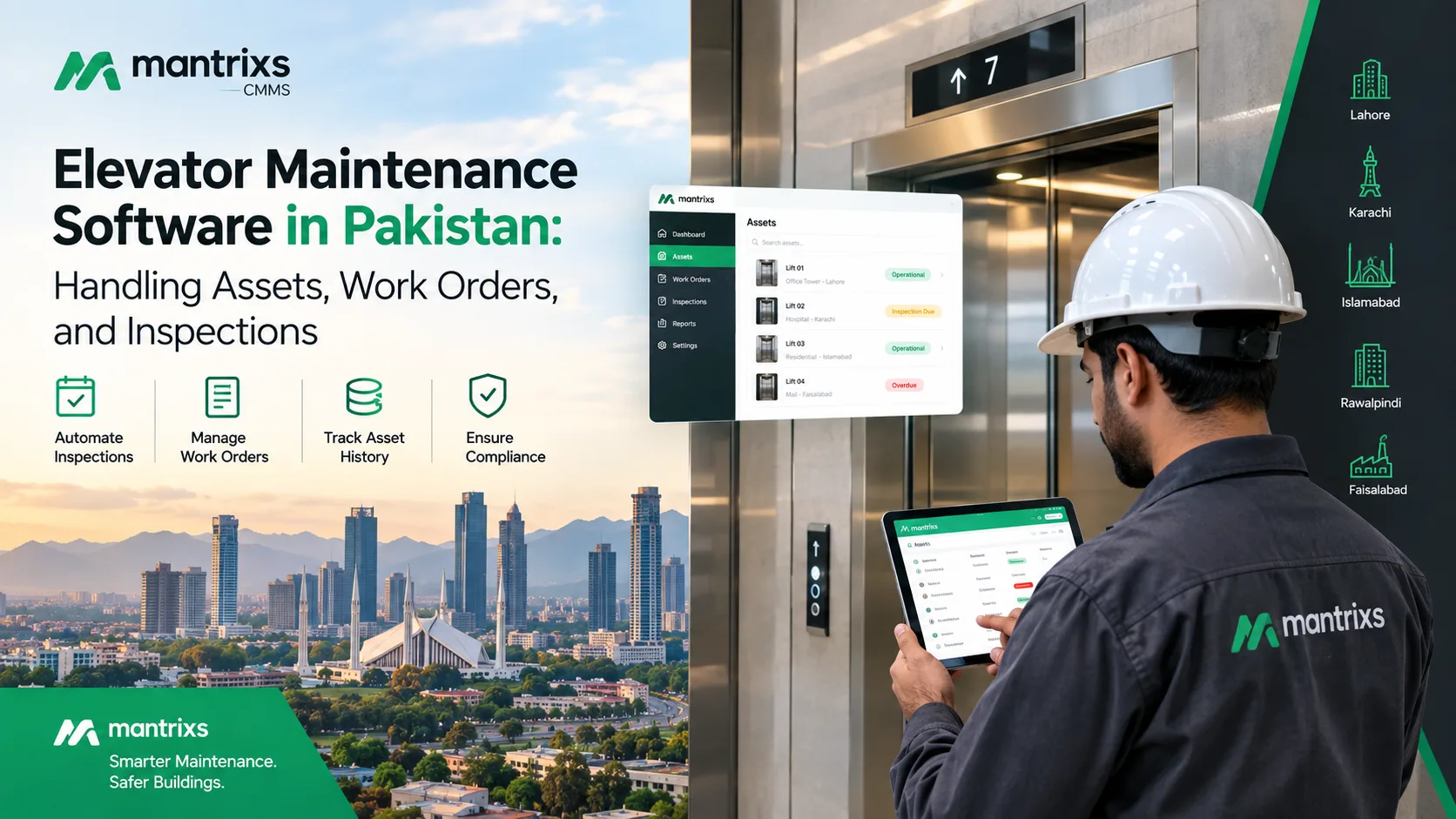
Elevator Maintenance Software in Pakistan: Handling Assets, Work Orders, and Inspections
Discover how elevator maintenance software in Pakistan helps facility teams manage assets, inspections, work orders, maintenance records, and multiple properties.