cmms
The Complete Guide to Cutting Down on Downtime and Boosting Productivity with CMMS for Manufacturing
Then there are CMMS (Computerized Maintenance Management Systems), which are very useful for helping companies simplify their processes, cut down on downtime, and increase output.
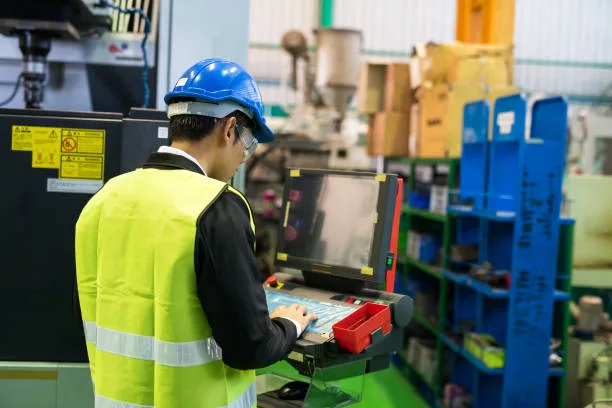
Since production moves quickly, every second is important. Manufacturers often hate downtime because it costs them money and makes their teams angry. But what if you could keep your business running smoothly? Then there are CMMS (Computerized Maintenance Management Systems), which are very useful for helping companies simplify their processes, cut down on downtime, and increase output.
Imagine being able to quickly and easily access all of your maintenance data, which would help you make better choices. That's the promise of CMMS for manufacturing: it will change how businesses work, not just how they manage their tools. CMMS is important to know about in this day and age, no matter how big or small your business is.
If you want to learn more about CMMS, read on. Let's talk about how this technology can change your manufacturing plant, from reducing the number of unplanned breakdowns to making it run more smoothly overall.
What is CMMS and its Importance in Manufacturing
The Computerized Maintenance Management System (CMMS) is a piece of software that is meant to make maintenance tasks easier in the manufacturing industry. It puts information about assets and equipment in one place, which makes it easier for teams to keep track of plans and performance.
CMMS is very important in the fast-paced world of production. Setting up regular maintenance jobs helps keep equipment from breaking down without warning. Not only does this approach make machines last longer, but it also cuts down on costly downtime.
CMMS also makes it easier for team members to talk to each other. Everyone can see up-to-date information on the conditions of assets and their maintenance histories. Because of this openness, decisions made across departments are better.
The importance of CMMS goes beyond just keeping machines running smoothly; it eventually drives efficiency and boosts overall productivity in manufacturing plants. With this technology, manufacturers can focus on what really matters: getting good products to customers on time and making the best use of their resources.
Common Causes of Downtime in Manufacturing
There are many things that can cause manufacturing to stop working. Failure of equipment stands out as the main cause. Unexpected breakdowns cause delays that cost a lot of money and mess up production plans.
Poor maintenance practices are another important factor. Small problems can get worse over time and stop operations if machines aren't checked regularly.
Errors made by people also happen. Mistakes during setup or operation can result in inefficient workflows and increased downtime.
Supply chain disruptions further complicate matters. Delays in receiving raw materials or parts can create bottlenecks, stalling production lines entirely.
Outdated technology can make things less efficient. Legacy systems often aren't flexible enough to meet the needs of today, which causes them to break down often and produce less.
Addressing these causes is essential for enhancing productivity within the manufacturing sector.
Benefits of Implementing a CMMS System
Putting in place a CMMS system can completely change how you make things. It makes managing assets easier and makes sure that all of the equipment is properly maintained and watched over.
Unexpected failures cause a lot less downtime when maintenance schedules are well organized. This not only makes things more productive, but it also makes machines last longer.
Data mining is an important part of making things better. Manufacturers can find trends and make choices that improve efficiency by keeping an eye on key metrics.
When employees use easy-to-use interfaces for managing their tasks, they are also more engaged. Workers feel empowered knowing they are part of a proactive maintenance strategy.
You can also save money, which is a big plus. Reduced emergency repairs and better inventory control lead to lower running expenses over time.
How to Choose the Right CMMS for Your Manufacturing Facility
Choosing the right CMMS for your manufacturing facility involves careful review of several key factors. First, think about what you want and what you need. What challenges do you face? Understanding these will guide you in selecting a system that addresses them effectively.
Check out how simple it is to use next.. For your team to quickly adopt it, the interface needs to be easy to use. If workers have trouble navigating, they might not get as much done.
Integration capabilities are also important. To make things run more smoothly, make sure the CMMS can easily connect with other systems, such as ERP or warehouse management software.
Also, don't forget about mobile access. A mobile-friendly platform lets maintenance workers do their jobs well from anywhere, since many teams are always on the go.
Evaluate vendor support and training options. Reliable help ensures your team can resolve issues promptly while comprehensive training improves overall proficiency in using the system effectively.
Best Practices for Using CMMS in Manufacturing
CMMS can completely change how manufacturing works, but it's very important to know how to use it correctly. Start by ensuring all team members are taught properly. Users should understand the features and benefits to improve efficiency.
Update your asset info on a regular basis. Keeping information current allows for better decision-making and streamlined repair scheduling.
Encourage communication within teams about equipment issues or needed updates. A collaborative environment fosters quicker responses to possible downtime threats.
Utilize reporting features consistently to track performance metrics. Looking at these records helps find long-term trends and places that need work.
Make sure to integrate your CMMS with other systems like ERP or inventory management tools if possible. This makes it easy for information to move between departments, which makes your manufacturing facility more productive overall.
Real-Life Examples of Companies Improving Productivity with CMMS
One well-known example is a major automaker that switched to a CMMS to make its maintenance processes more efficient. They cut down on unexpected breakdowns by 30% by keeping track of how well the equipment was working and planning preventative repair. This improvement boosted general production efficiency.
Another success story comes from a plant that makes food. They implemented CMMS software to manage inventory and track machinery health. As a result, they noticed a 25% decrease in downtime, which directly led to higher output rates.
One company in the electronics business combined CMMS with IoT sensors. The real-time data allowed them to anticipate failures before they occurred. Consequently, their productivity surged while running costs fell significantly.
These examples illustrate how diverse sectors can leverage CMMS for tangible benefits in productivity and operational reliability. Each case shows a different set of strategies that were made to deal with problems that come up in manufacturing settings.
Future Trends and Innovations in CMMS for Manufacturing
Because technology is getting better, the future of CMMS for production looks bright. Machine learning and artificial intelligence are going to change the way predictive maintenance is done. These tools can analyze vast amounts of data, pinpoint possible failures before they appear, and optimize maintenance schedules.
Integration with the Internet of Things (IoT) will offer real-time monitoring capabilities. Sensors on equipment can provide instant updates on performance metrics, allowing managers to react swiftly to anomalies.
Cloud-based solutions will keep growing in popularity because they let you reach them easily from anywhere. This flexibility makes it easier for teams to work together and makes it easier to make decisions.
Mobile applications are also enhancing user experience. While they're on the shop floor, technicians can use their phones to get alerts and make changes to work orders.
Eco-friendly practices will be built into CMMS platforms as sustainability becomes more important. Through smarter resource management strategies, businesses will focus more on cutting down on waste and increasing efficiency.
Conclusion
Using a CMMS in manufacturing can make a big difference in how things work. By understanding its importance and addressing common downtime problems, facilities can improve productivity and operational efficiency. The right system will not only streamline maintenance processes but also empower teams to make informed decisions based on real-time data.
Choosing the appropriate CMMS tailored to your specific needs is crucial. Companies should think about their specific problems and goals before making a choice because there are many options. Best practices in utilizing these systems ensure that you maximize the benefits of this technology.
Real-life examples show how different businesses have successfully added CMMS solutions to their processes, which has led to much higher productivity and fewer downtimes. As the business world changes, manufacturers will need to keep up with new ideas and trends to stay competitive.
The journey towards optimized manufacturing through effective CMMS implementation is filled with chances for growth and improvement. Putting time and money into this important tool will lead to greater efficiency now and in the future.
Keep reading
More from the Mantrix blog

Parking Lot Maintenance: Save Money with Preventive Care
A proactive parking lot maintenance strategy helps prevent potholes, cracks, drainage issues, and costly repairs. This guide explains preventive maintenance, common parking lot problems,

Agtech Farm Equipment Maintenance: Common Challenges and How to Solve Them
Farm equipment maintenance is becoming more complex as modern machinery evolves. Learn how digital maintenance systems, preventive scheduling, and agtech solutions can reduce downtime and improve equipment reliability.

Elevator Maintenance Software in Pakistan: Handling Assets, Work Orders, and Inspections
Discover how elevator maintenance software in Pakistan helps facility teams manage assets, inspections, work orders, maintenance records, and multiple properties.