Maintenance Scheduling
Why Maintenance Scheduling Is Critical for Business Success
Everything is important in the fast-paced world of business. From customer service to product quality, maintaining a competitive edge requires attention to numerous factors.
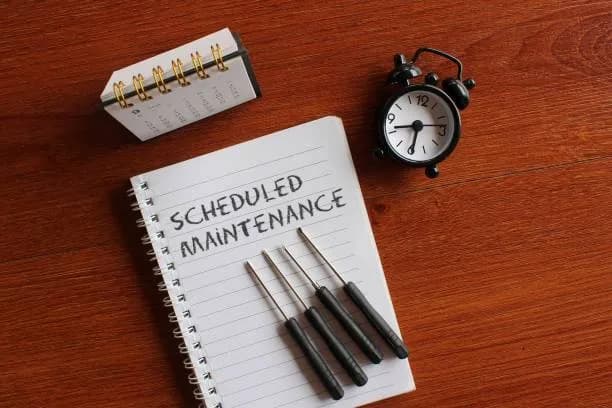
Everything is important in the fast-paced world of business. From customer service to product quality, maintaining a competitive edge requires attention to numerous factors. Maintenance scheduling is a very important part that is often overlooked. Maintenance may seem like just one more thing to do on your never-ending list, but done right, it can make or break an organization.
Imagine reducing downtime in your operations and maximizing productivity all while cutting costs. To do that, you need to plan for maintenance. Businesses can make sure their equipment works well and easily by setting up a plan for regular maintenance.
You'll learn how important maintenance scheduling is for long-term success and stability in your industry as we go deeper into this subject. Here are some reasons why putting this part of your business first might be one of the best things you can do.
Importance of Regular Maintenance for Businesses
A business that does well depends on regular maintenance. It keeps infrastructure and equipment in good shape so that they don't break down when they're least expected.
When machines work well, they produce a lot more. Employees can focus on their core tasks instead of dealing with malfunctions or delays. This smooth workflow not only boosts morale but also makes more work get done.
Also, regular maintenance makes things last longer. By investing in regular check-ups and repairs, businesses can avoid having to buy expensive replacements. This proactive approach saves a lot of money in the long run.
Customers often notice when businesses prioritize maintenance. A well-kept environment signals professionalism and reliability, attracting more clients who value quality service.
How Maintenance Scheduling Can Improve Efficiency and Reduce Costs
Planning for maintenance is a key part of making many operations more efficient. Businesses can avoid expensive downtimes caused by unplanned breakdowns by planning maintenance tasks ahead of time.
When equipment works well and doesn't break down, productivity goes up by a lot. Workers don't have to deal with repairs or wait for machines to be fixed; they can focus on their main jobs.
Performing regular maintenance also helps find small problems before they become big ones. This proactive approach not only saves money but also extends the lifespan of machinery and tools.
Maintenance that is scheduled for off-peak hours causes the least amount of trouble. In addition to keeping everything in great shape, it makes sure that business processes don't stop.
Spending time planning maintenance tasks well will save you a lot of money in the long run and make your business run more smoothly overall.
Common Types of Maintenance Schedules
There are different ways to schedule maintenance, and each one is best for its own purpose. One type that is often used is preventive repair. This approach focuses on regular inspections and tasks designed to prevent equipment failures before they occur.
Predictive maintenance is the next step. Instead of adhering to a strict timetable, it relies on data analytics and monitoring tools to predict when maintenance should be performed. This helps keep downtime to a minimum by fixing problems before they get too bad.
After something has broken, corrective maintenance is used to fix it. It involves fixing or replacing broken parts as needed, which can cause costs and delays that were not expected.
We have maintenance that is based on conditions. This method monitors the actual state of assets through sensors and performance metrics, allowing for targeted interventions based on real-time data rather than set schedules. Each type does a different job to make sure that an organization runs smoothly.
Tips for Effective Maintenance Scheduling
Establish clear priorities. Identify critical equipment and processes that require immediate attention. This helps ensure that resources are allocated effectively.
Utilize technology to streamline scheduling. Implement software solutions or apps designed for maintenance management. These tools can send reminders automatically, keep track of progress, and give you useful information.
Include your team in the process of making the schedule. Gather feedback from staff who interact with the equipment daily. Their opinions can help find problems before they get worse.
Review schedules often and make changes as needed. Things change over time, so what worked last month might not work now. Stay flexible and responsive to new obstacles.
Set measurable goals for your maintenance activities. Whether it’s reducing downtime by a specific percentage or increasing operational efficiency, having tangible targets keeps everyone focused on success.
Don't forget to train and grow the people on your team. Well-trained staff will perform tasks more efficiently, enhancing overall performance in maintenance operations.
Case Studies: Successful Businesses Utilizing Maintenance Scheduling
Several companies have reaped the benefits of effective maintenance scheduling. As an example, a manufacturing plant that used proactive maintenance is worth mentioning. By scheduling regular equipment checks, they reduced downtime by 30%. They were able to consistently meet production deadlines after making this change.
Another case involves a hospitality chain that adopted maintenance scheduling for its facilities. They made sure that the rooms and other amenities were always in great shape. Because of this, guest satisfaction rates went through the roof, which led to more bookings and more money coming in.
A fleet management business in the transportation industry used software to plan maintenance based on what the vehicles would need next. By analyzing vehicle data, they minimized breakdowns on the road. This approach not only enhanced safety but also lowered repair costs significantly.
These real-world examples show how different industries can benefit from well-planned maintenance schedules tailored to their unique needs. Each story shows how important dependability and efficiency are to success.
Challenges and Solutions in Implementing a Maintenance Schedule
Implementing a maintenance schedule can be daunting for many businesses. One common challenge is resistance from employees who may view it as an added task. Change can be hard, so it's important to show employees why it's a good thing.
Another hurdle might be the lack of resources. Smaller companies often grapple with limited budgets and personnel, making it difficult to prioritize maintenance tasks effectively. Still, that doesn't mean they have to skimp on quality.
These gaps can be filled with technology. Software for maintenance management makes scheduling easier and makes sure that tasks are properly managed. This helps teams better use their resources without overworking their staff.
Conclusion: The Impact of Maintenance Scheduling on Business Success
Planning for maintenance is a very important part of running a business well. Companies can increase productivity and cut down on downtime while also extending the life of their equipment by putting in place a good maintenance plan. Regular maintenance ensures that potential issues are handled before they escalate into costly problems.
It does more than just keep things running smoothly; it also encourages proactive management within the company. When workers know that their company values dependability and efficiency, they are more likely to do their best work.
Many case studies have shown that businesses that do well use maintenance scheduling to stay ahead of the competition and deal with problems in the best way possible. This strategic approach builds a base for long-term success and growth.
Adopting maintenance scheduling isn't just about fixing what's broken; it's also about making yourself more resilient against the unknowns of the future. There's no doubt that this practice has an effect on business success. People who put effort into it are likely to see big returns now and in the years to come.
Keep reading
More from the Mantrix blog

Parking Lot Maintenance: Save Money with Preventive Care
A proactive parking lot maintenance strategy helps prevent potholes, cracks, drainage issues, and costly repairs. This guide explains preventive maintenance, common parking lot problems,
Agtech Farm Equipment Maintenance: Common Challenges and How to Solve Them
Farm equipment maintenance is becoming more complex as modern machinery evolves. Learn how digital maintenance systems, preventive scheduling, and agtech solutions can reduce downtime and improve equipment reliability.
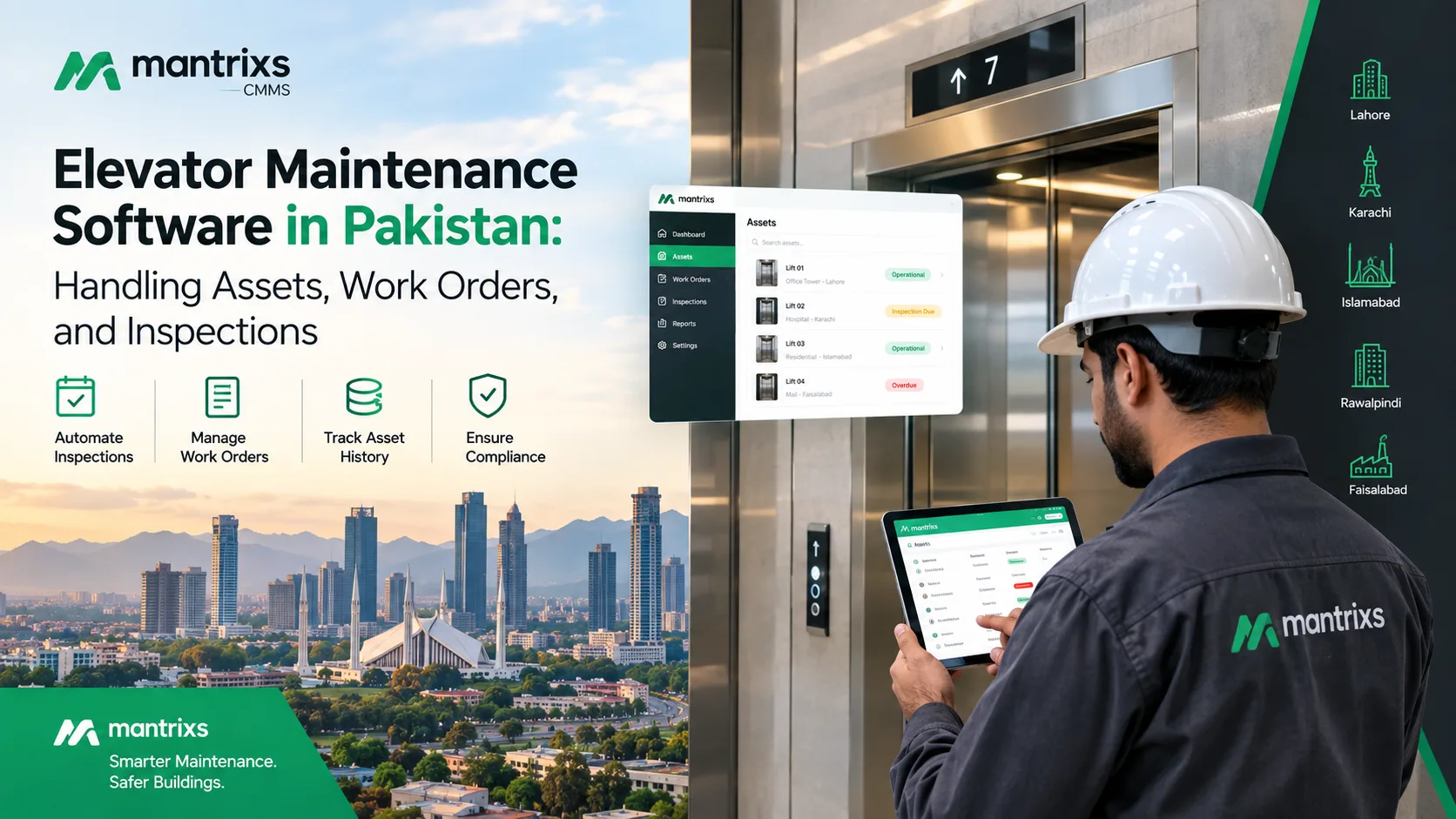
Elevator Maintenance Software in Pakistan: Handling Assets, Work Orders, and Inspections
Discover how elevator maintenance software in Pakistan helps facility teams manage assets, inspections, work orders, maintenance records, and multiple properties.