facilities Management
Facility Maintenance Management: Complete Guide
The organized way of keeping an eye on and fixing things that are physical in a building is called facility maintenance management. Making sure that everything, from structures to equipment, works well and safely is part of this.
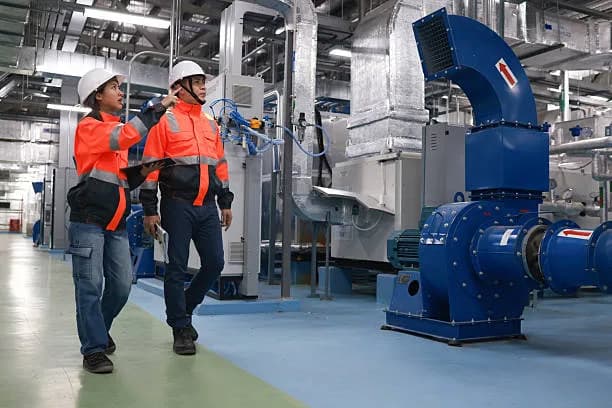
Building and organization maintenance management is more than just a list of jobs; it's what keeps things running smoothly. Imagine going into a building where everything works perfectly, the lights are on, the air conditioning is running in the background, and every corner is spotless and welcoming. That’s the power of effective facility maintenance management at play.
In today's busy world, making sure that buildings work well is important for both productivity and happiness. Everyone needs to pay close attention to their maintenance needs, whether they are in a school, hospital, office building, or factory. However, managing all these moving parts can be daunting without a proper strategy in place.
Whether you're a seasoned manager or new to the job, knowing how to handle facility maintenance management will help you make places safer while also making the best use of resources and costs. Let’s dive deeper into what it entails and why it matters so much!
What is Facility Maintenance Management?
The organized way of keeping an eye on and fixing things that are physical in a building is called facility maintenance management. Making sure that everything, from structures to equipment, works well and safely is part of this.
At its core, it includes planning, organizing, and controlling maintenance operations. The goal is to minimize downtime while maximizing usefulness and longevity.
It encompasses routine tasks such as inspections, repairs, and upgrades. It could also include handling security services or making sure that environmental rules are followed.
Facility repair management that works well is a key part of making operations run more smoothly. This produces an environment that helps everyone be productive when it's done right.
Importance of Facility Maintenance Management
Facility maintenance management is crucial for ensuring the longevity and functionality of physical places. A building that is well taken care of not only keeps things going smoothly, but it also makes employees and visitors safer.
Maintenance helps keep fixes from getting too expensive in the future. Companies can save money and time by taking care of small problems before they get worse.
Also, a clean and functional workplace is good for morale. The staff is often more productive when they work in clean spaces.
Proper facility maintenance reflects positively on an organization's brand image. It lets people know that the business cares about its assets and values quality.
Types of Facilities that Need Maintenance Management
Different kinds of buildings need maintenance management to keep them running smoothly. Regular maintenance is very important for commercial buildings like stores and offices. This includes everything from HVAC systems to plumbing.
Industrial sites also have unique needs. For factories to be as productive as possible, their machines need to be constantly inspected and serviced.
Because healthcare facilities are so important, they need to put repair management at the top of their list of priorities. To provide good patient care, hospitals need clean areas and equipment that works.
Educational establishments, including schools and universities, are another crucial sector. These buildings need to be well-kept so that they can be safe places to learn.
Apartment buildings also need your attention. Good facility management keeps living spaces comfortable and makes tenants happier by taking care of problems quickly.
Essential Tasks in Facility Maintenance Management
Essential tasks in facility care management include a wide range of tasks that are meant to make sure that buildings work at their best. Regular inspections are the most important part of any strategy that works. They help identify potential issues before they escalate into costly repairs.
Another important task is preventative maintenance. Setting up regular maintenance and checks for tools can make it last longer and work better. This proactive approach minimizes unexpected breakdowns that disrupt operations.
Taking care of work orders is also very important. Keeping track of requests, prioritizing them, and assigning tasks to skilled personnel ensures nothing slips through the cracks.
Keeping track of all maintenance tasks helps you see patterns over time, which can help you make good choices in the future. Every job is very important for making a place that helps people be productive and keeps things safe.
Challenges Faced in Facility Maintenance Management
Managing facility maintenance comes with its own set of challenges. The lack of money is a big problem. Not having enough money can make it hard to make fixes or upgrades that are needed.
Another major challenge is staffing. Skilled personnel are crucial for effective maintenance, yet finding and retaining qualified workers can be tough. High turnover rates often lead to gaps in knowledge and experience.
Problems with communication are another one. Misunderstandings between departments may result in delays or inadequate responses to maintenance requests. It is important to keep everyone on the same page, but it's not always easy to do.
Infrastructure that is getting old causes problems all the time. More repairs and improvements need to be done on older buildings, which puts even more pressure on resources because they need specialized skills that may not be easy to find.
Best Practices for Effective Facility Maintenance Management
Communication is very important when managing facility maintenance. Make sure that everyone on the team agrees on the tasks, schedules, and objectives. This cuts down on misunderstandings and makes things run more smoothly.
Set up a plan for preventative maintenance. Regular inspections and routine checks can identify potential issues before they escalate into costly repairs. Staying proactive saves time and resources down the line.
Utilize technology to streamline operations. Software tools can help track work orders, monitor inventory levels, and manage scheduling effectively. These systems make things clearer and give us useful information for planning the future.
Train your staff all the time. Give them the most up-to-date information on best practices, safety rules, and new tools in managing facility maintenance. A skilled workforce improves overall productivity.
Set measurable goals for success evaluation. Using key performance indicators to measure success helps you stay on track with your goals and encourages your company to always be getting better.
Tools and Technologies for Streamlining the Process
To enhance facility maintenance management, leveraging the right tools and technologies is essential. Digital options today can make things a lot more efficient and cut costs by a lot.
Computerized maintenance management systems, or CMMS, are a must. They help track work orders, manage inventory, and schedule preventive maintenance seamlessly.
Mobile applications also play a crucial part. They allow technicians to access information on-the-go, update tasks in real time, and communicate effectively with teams.
IoT gadgets add a new level of innovation. Sensors can constantly check the health of equipment and let managers know about possible problems before they become big enough to need expensive repairs.
Cloud-based systems are great for storing data for data analytics. This allows facilities to make informed decisions based on historical performance metrics.
These tools not only streamline processes but also foster better communication across departments, creating a more cohesive maintenance strategy that enhances overall facility performance.
Conclusion
Facility Maintenance Management is a vital aspect of any organization that operates physical spaces. It makes sure that buildings and facilities are safe, useful, and well-run. By prioritizing maintenance management, businesses can enhance productivity while minimizing costs related to repairs and downtime.
Knowing how important this field is can help you understand its role in many different industries. Good facility maintenance keeps everything running smoothly in any building, whether it's an office building, hospital, school, or factory.
The most important things that need to be done for operations to run smoothly are regular inspections, preventative maintenance plans, and emergency repairs. However, challenges such as budget constraints or staffing issues can hinder these efforts.
Embracing best practices such as training staff regularly and leveraging technologycan significantly improve efficiency in managing facilities. Using tools like Computerized Maintenance Management Systems (CMMS) makes things even easier to track and report, which further streamlines operations.
Companies that invest wisely in facility maintenance management strategies and tools not only protect their assets but also make the places where they work and do business safer for everyone. This all-around method improves operational performance in all areas that deal with physical infrastructure in the long run.
Keep reading
More from the Mantrix blog

Parking Lot Maintenance: Save Money with Preventive Care
A proactive parking lot maintenance strategy helps prevent potholes, cracks, drainage issues, and costly repairs. This guide explains preventive maintenance, common parking lot problems,
Agtech Farm Equipment Maintenance: Common Challenges and How to Solve Them
Farm equipment maintenance is becoming more complex as modern machinery evolves. Learn how digital maintenance systems, preventive scheduling, and agtech solutions can reduce downtime and improve equipment reliability.
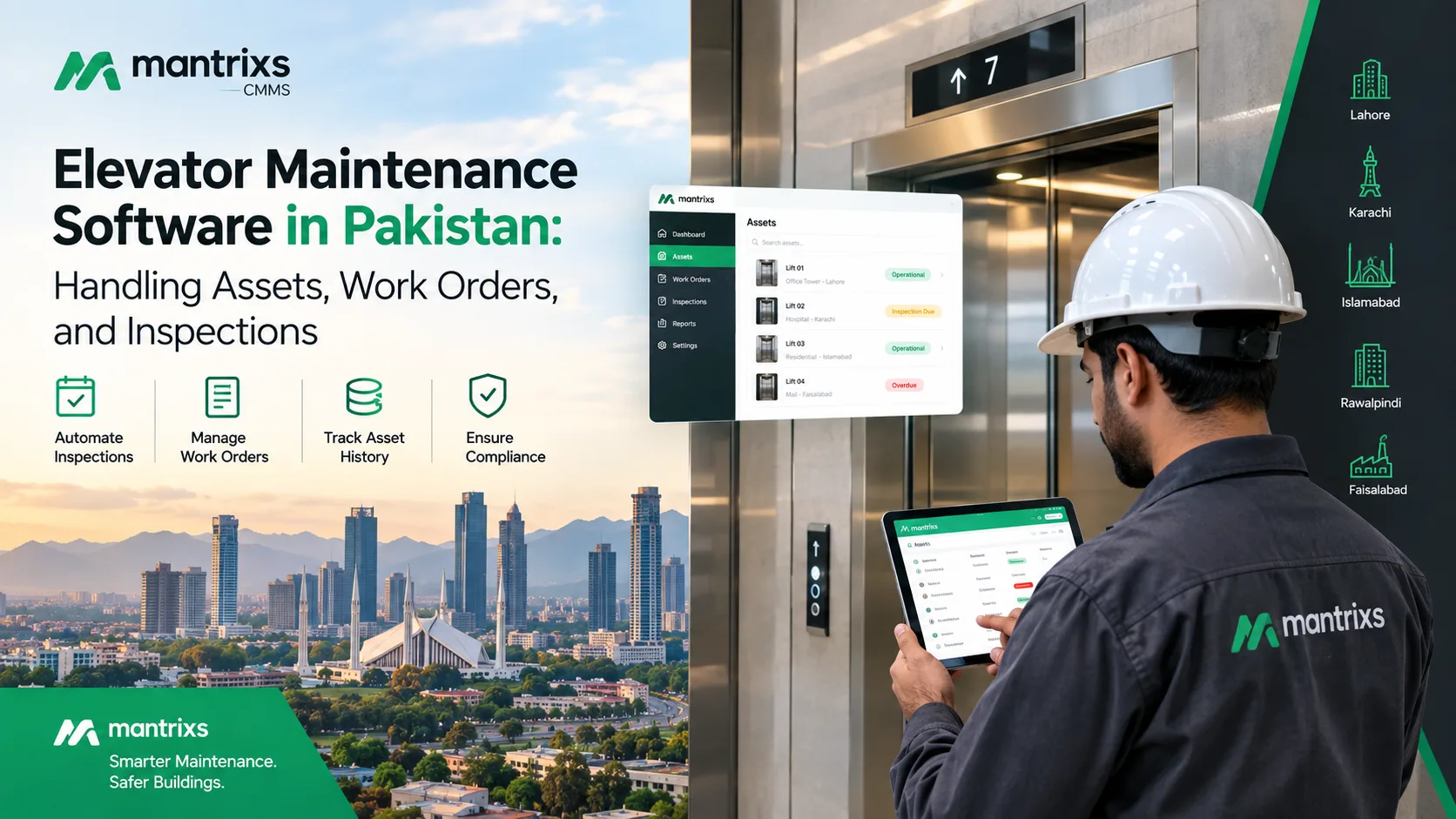
Elevator Maintenance Software in Pakistan: Handling Assets, Work Orders, and Inspections
Discover how elevator maintenance software in Pakistan helps facility teams manage assets, inspections, work orders, maintenance records, and multiple properties.