Idle time
What Is Idle Time? Causes, Costs, and How to Reduce It
Idle time is the period when employees, machines, or resources are available but not actively producing output. It makes things more expensive, less efficient,
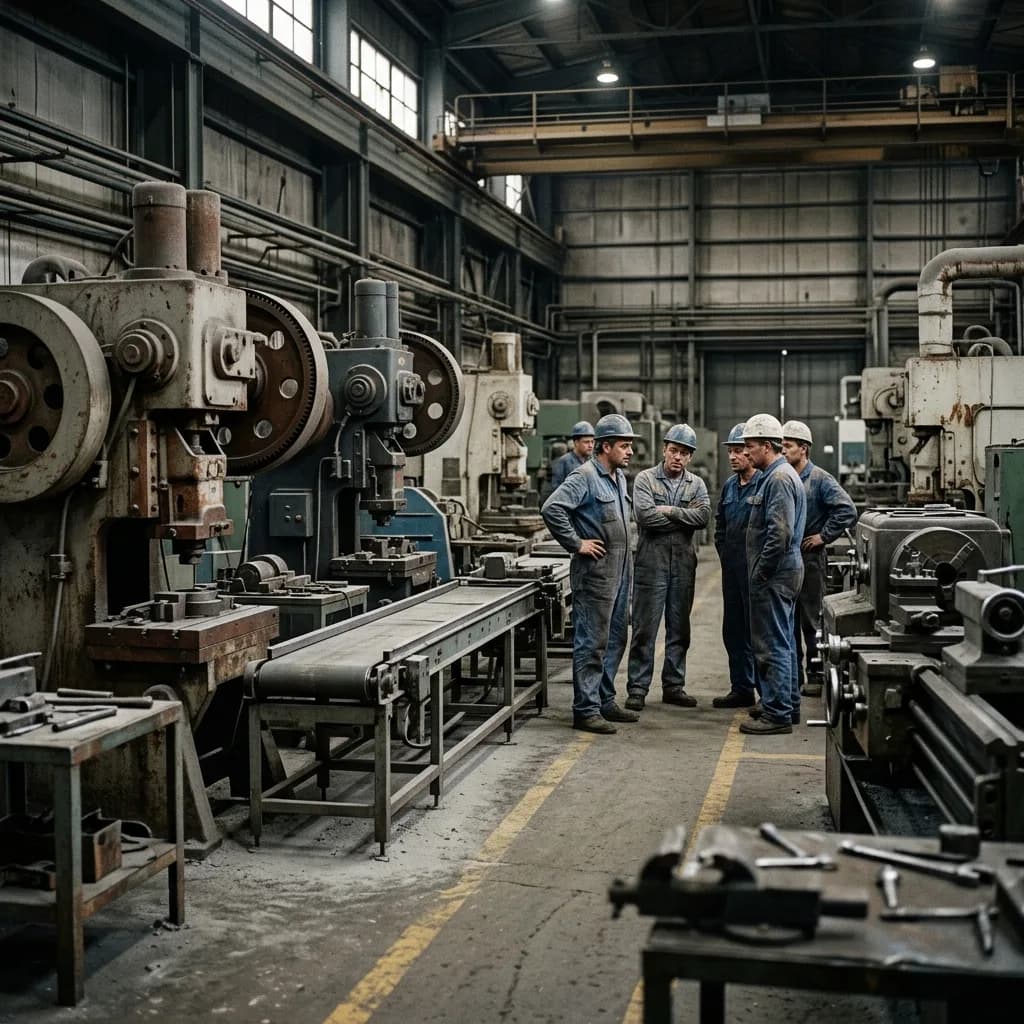
Idle time is the period when employees, machines, or resources are available but not actively producing output. It makes things more expensive, less efficient, and takes longer to make. Poor planning, broken equipment, and a lack of materials are common reasons for delays. Businesses can reduce idle time by improving planning, tracking utilization, and using CMMS software.
There are times when your business doesn't have to pay for a machine or an operator while they wait for materials. That's called "idle time," and most businesses have more of it than they think.
Any company that depends on people, tools, or organized workflows to make things happen needs to know about idle time. When left unmanaged, idle time quietly drains productivity and inflates costs without appearing as a dramatic operational failure. The good news? You can handle something once you know how to measure it.
This article explains what idle time means, what causes it, how to measure it, and most importantly how to reduce it.
What Is Idle Time?
While a resource, employee, machine, or piece of equipment is available and ready to work, it is not being used. This is called idle time. This wasted capacity is made up of paid time or assets that have lost value and aren't producing anything.
Idle time is also known as waiting time, and it happens in almost every field, from healthcare to manufacturing to logistics to building.
Simple Example of Idle Time
At 8 AM, a machine user punches in. The workers' shift starts, but the raw materials they need to start making things haven't arrived yet. The machine is turned on and the operator is there, but neither is making anything. The time between 8 AM and when the materials come is idle time.
Idle Time in Manufacturing and Operations
When it comes to manufacturing, idle time is especially expensive because production floors work to tight schedules and delays in one area can affect other areas. A single machine that needs to be fixed, a group of parts that are stuck in transport, or a misunderstanding between shifts can all stop the whole production line.
In operations in general, idle time happens when there is a mismatch between the supply of resources and the demand for them. For example, workers may be waiting for orders, vehicles may be sitting between deliveries, or equipment may not be being used because of bad shift planning.
Why Idle Time Matters for Businesses
When added up over a workforce or fleet of tools, even small amounts of idle time add up to a lot of money. Businesses pay their workers to do nothing by giving them wages. They cover the costs of idle machines through fixed costs, energy use, and wear and tear. Idle time that isn't used cuts into profits, delays deliveries, and lowers a company's ability to compete over time.
What Causes Idle Time?
There isn't usually just one reason for idle time. It usually comes from a number of operational gaps that make each other worse.
Equipment and Machine Waiting
When one machine in a production line is late or broken, the machines and people working on them below have to wait. This makes time that isn't being used that affects the whole process.
Lack of Raw Materials or Resources
When there are delays in getting materials, whether they're because of problems with purchasing, managing inventory, or problems with suppliers, tools and workers are ready to work but can't get started.
Poor Scheduling and Work Planning
Gaps between shifts, overlapping tasks given to the same resource, or poor job sequencing all create pockets of inactivity that could have been avoided with better planning.
Employee or Operator Unavailability
When employees are absent without warning, arrive late, or don't have enough skilled workers, tools can become unattended and production can stop.
Maintenance Delays
People often waste time while they wait for a maintenance technician to come, spare parts to be found, or repairs to be finished. This is especially true when maintenance is reactive instead of preventative.
Communication and Workflow Problems
Handing off tasks that aren't clear, waiting too long to issue work orders, and teams that can't talk to each other can all slow things down. When workers don't know what to do next, they wait, and the time they spend waiting adds up quickly.
How Are Idle Time and Downtime Distinct?
People often use these two words to mean the same thing, but they mean different things in different scenarios.
Idle Time vs. Downtime
When a resource is working and available but not being used, this is called idle time. The asset is already working; it's just waiting.
Downtime happens when a resource can't be used because it has broken down, is being fixed, or is being maintained. The asset cannot be used during downtime, even if people want to use it.
Examples of Idle Time and Downtime
Having a forklift sit in the loading bay while workers wait for a shipment to come means it is not being used.
A forklift with a broken hydraulic system that needs to be fixed means lost time.
A worker who was clocked in between tasks but didn't have any to do = idle time
When a CNC machine is taken offline for maintenance, this is called "downtime."
Why the Difference Matters
If you count idle time as downtime or the other way around, you'll get wrong information, waste resources, and make bad decisions. You can usually avoid idle time by better planning and scheduling, and you can deal with downtime by having a maintenance strategy. You can decide what to do by knowing what you're dealing with.
How Does Idle Time Affect Business Costs?
Sitting around doing nothing costs a business a lot of money over time.
Lost Productivity
No value is being made during any hour that is not being used. When you add up that loss of work over a team or fleet of machines, it's big.
Increased Labor Costs
No matter how busy they are, employees are paid. When workers aren't doing anything, the company has to pay for their time, which cuts into its profits.
Reduced Equipment Utilization
Fixed costs, such as insurance, depreciation, and leasing fees, keep going for assets like machinery and vehicles, even when they're not being used. When usage rates are low, you pay full cost for only some output.
Delayed Production and Deliveries
If there is idle time that throws off production schedules, it can lead to late deliveries, contract penalties, and bad relationships with customers.
Lost Revenue Opportunities
When production capacity is not used, it cannot be regained. If there is demand but capacity is wasted because of avoidable downtime, that money is lost forever.
How to Calculate Idle Time
The basic idle time formula is straightforward:
Idle Time = Available Operating Time − Actual Operating Time
Idle Time Calculation Example
There are two shifts of eight hours each at a factory. During one shift, a machine worked for six hours straight. The last two hours were spent waiting for parts and fixing small things.
Available Operating Time: 8 hours
Real time spent working: 6 hours
Idle Time: 2 hours (25% of available time)
Idle time rate = (Idle Time ÷ Available Operating Time) × 100, shown as a fraction.
How to Track Idle Time Accurately
The easiest place to start is with manual logs, but they can be wrong and not always match up. Using equipment sensors and IoT monitors to record actual run times, keeping track of work orders to find gaps between jobs being finished and the next one being assigned, and centralizing data through software for maintenance or operations management that records all activities with a time stamp are all more reliable methods.
How to Reduce Idle Time
To cut down on idle time, you need a methodical approach that focuses on the causes rather than the symptoms.
Improve Work Scheduling
Make a flowchart of your processes and mark the spots where wait states usually happen. Arrange tasks so that there aren't too many gaps between them, that each team has an equal amount of work, and that the right people and materials are available before a task starts.
Track Equipment Utilization
What you can't see can't be shrunk. By keeping track of how often and for how long each asset is running, you can find patterns of underutilization that can be fixed by changing the schedule or the way things are done.
Use Preventive Maintenance
Unexpected downtime and idle time happen throughout the downstream process because of reactive maintenance. A preventive maintenance program that services assets on a set schedule before they break down keeps things running smoothly and cuts down on unplanned stops.
Improve Communication Between Teams
A lot of idle time happens because of unclear task ownership, late handoffs, or teams working in separate areas. Digital work order systems and shared shift notes are two types of standard communication that make sure the next job is always ready when the current one is done.
Monitor Maintenance Requests
Requests for repair work that are written down or spoken out loud are more likely to be lost or be late. It takes less time to fix a problem after it has been found if there is an organized way to submit, track, and prioritize maintenance requests.
Use Real-Time Operational Data
Operations managers can see where idle time is building up right now, not just in reports at the end of the week, thanks to real-time dashboards and reporting tools. Early visibility means that help can be given more quickly.
How CMMS Software Helps Reduce Idle Time
One of the best ways to cut down on idle time is to use a Computerized Maintenance Management System (CMMS). A CMMS takes care of many of the communication problems and reaction habits that lead to downtime by putting all maintenance tasks in one place.
Centralize Maintenance Requests
A CMMS gives operators, technicians, and managers a place to put in and see maintenance requests at the same time. This gets rid of the delays that come from reporting things informally and makes sure that every problem is recorded, ranked, and given quickly.
Schedule Preventive Maintenance
CMMS platforms like Mantrix let teams set up regular maintenance schedules for all of their most important assets. Automatic creation and assignment of preventative tasks lowers the chance of unexpected breakdowns that cause downtime further down the line.
Track Work Orders
Managers can see exactly which tasks are open, in progress, or finished with digital work orders. They can also see where delays are happening. Being able to see makes it easier to fix problems fast.
Monitor Equipment Performance
A CMMS keeps track of the past of maintenance, run time, and failure patterns for each asset. Over time, this information shows which pieces of equipment are most likely to cause downtime, which lets maintenance funds be better allocated.
Use Maintenance Data to Identify Delays
A CMMS's historical maintenance data helps operations teams figure out what machines, suppliers, or steps in the process are causing idle time over and over again so they can fix the problems in a planned way instead of reacting to them.
Benefits of Reducing Idle Time
When idle time is actively managed and cut down, there are many benefits for the business:
More work getting done with fewer people and less equipment
Better equipment utilization, better return on asset investment
Lower operating costs by cutting down on lost energy and labor
Fewer delays that aren't necessary in service and business
Better maintenance effectiveness with fewer reactive actions
Better resource planning, backed by accurate operational data
Keep reading
More from the Mantrix blog

Parking Lot Maintenance: Save Money with Preventive Care
A proactive parking lot maintenance strategy helps prevent potholes, cracks, drainage issues, and costly repairs. This guide explains preventive maintenance, common parking lot problems,

Agtech Farm Equipment Maintenance: Common Challenges and How to Solve Them
Farm equipment maintenance is becoming more complex as modern machinery evolves. Learn how digital maintenance systems, preventive scheduling, and agtech solutions can reduce downtime and improve equipment reliability.
Elevator Maintenance Software in Pakistan: Handling Assets, Work Orders, and Inspections
Discover how elevator maintenance software in Pakistan helps facility teams manage assets, inspections, work orders, maintenance records, and multiple properties.