Maintenance Management
How Maintenance Management Software Improves Asset Performance and Reduces Downtime
Maintenance Management Software makes things easier to do, which can greatly increase output. By automating routine tasks, it frees up valuable time for maintenance teams to focus on critical issues.
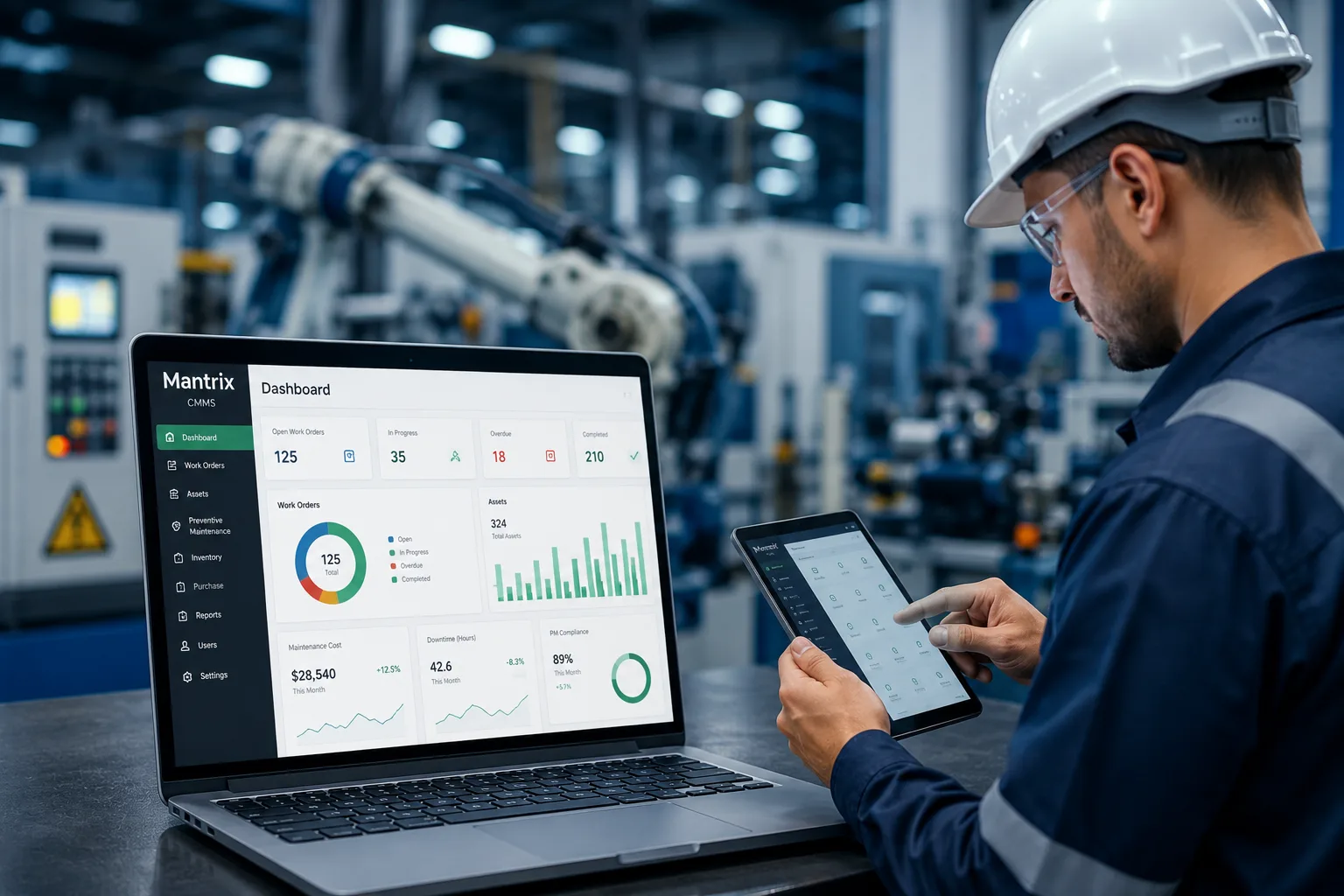
It's important to make the most of your assets in the fast-paced work world of today. Companies are always looking for ways to be more efficient and cut costs. Enter maintenance management software, a powerful tool that can change how organizations handle their assets. Imagine being able to tell when equipment will break down before it does, or being able to streamline your whole maintenance process with just a few clicks.
Maintenance management software not only makes these tasks easier, but it also helps you make better decisions by giving you data-driven insights. As businesses become more reliant on technology, it's important to understand how this new solution can elevate your operations, improve asset performance, and cut downtime by a large amount.
The Benefits of Using Maintenance Management Software
Maintenance Management Software makes things easier to do, which can greatly increase output. By automating routine tasks, it frees up valuable time for maintenance teams to focus on critical issues.
When assets are tracked in real time, businesses can keep a close eye on how things are going. This new information helps people make better choices and step in before small problems get worse.
Using this software also makes it easier for team members to talk to each other. Schedules and work orders are shared with everyone, so mistakes and missed tasks are less likely to happen.
Data analytics capabilities provide a clearer picture of asset lifecycles. Companies can identify trends and patterns that guide future investments or upgrades, ensuring they always use resources wisely.
In addition, adding mobile access means that techs can do their jobs from anywhere. This flexibility enhances response times and overall efficiency in maintenance operations.
Improved Asset Performance through Predictive Maintenance
When predictive maintenance is used, a lot of changes happen in how well assets work. By leveraging data analytics, businesses can anticipate equipment failures before they happen.
This proactive approach uses historical data and real-time monitoring to identify patterns. When anomalies are detected, alerts trigger action from the maintenance team. This means that problems are fixed quickly, which keeps expensive breakdowns from happening.
With predictive maintenance, businesses can make their operations run much more smoothly. Over time, things work better and more smoothly. Because of this, companies see their reliability and productivity go up.
When you invest in predictive skills, you can make better choices about when to do maintenance work. It transforms how businesses manage their equipment by shifting focus from reactive fixes to strategic planning.
Reducing Downtime with Proactive Maintenance Strategies
Any company that uses tools and machines needs to cut down on downtime as much as possible. Strategy-based preventative maintenance can make a big difference in how well processes run.
By regularly monitoring asset performance, companies can identify potential issues before they escalate into costly failures. This approach allows maintenance teams to schedule repairs during non-peak hours, minimizing disruptions.
Implementing a routine inspection plan also helps in keeping equipment at optimal levels. Parts can last a lot longer if you do simple things like grease them or replace them.
In addition, businesses can see patterns over time by using analytics tools in Maintenance Management Software. This approach is based on data, which helps people make smart choices about when to step in and what actions are needed.
When businesses do preventative maintenance, they can make better use of the resources they have. It develops a culture focused on reliability and efficiency instead of merely reacting to problems as they arise.
Cost Savings and ROI of Using Maintenance Management Software
Costs can be cut by a lot when Maintenance Management Software is used. Businesses cut down on errors and manual work by streamlining processes. With this automation, teams can focus on more important tasks and less on the less important ones.
A big part of lowering unexpected failures is predictive maintenance. When assets are monitored closely, potential issues can be addressed before they escalate into costly repairs or replacements.
Scheduling maintenance tasks well also makes sure that equipment works at its best for longer periods of time. This directly translates into improved productivity and higher output rates.
When companies have access to data-driven insights, they can make smart choices about asset management methods that get the best return on investment (ROI) while still meeting high performance standards.
Case Studies: Real-life Examples of Companies Improving Asset Performance and Reducing Downtime with Maintenance Management Software
A big company that makes things put in place repair management software to make their work easier. They noted a significant reduction in machine failures. The predictive analytics feature allowed them to address potential issues before they escalated.
Another case involved a transportation firm that struggled with vehicle reliability. By adopting maintenance management software, they got real-time insights into fleet performance. This led to better scheduling for maintenance and less unplanned downtime.
In the hospitality business, this program was used to keep track of equipment and plan maintenance times. Because of this, guests' complaints about broken amenities went down by a huge amount. Their proactive approach not only enhanced guest satisfaction but also boosted asset longevity.
These examples illustrate how diverse industries leverage maintenance management software for tangible improvements in asset performance while effectively reducing downtime across their operations.
How to Pick the Best Software for Your Business to Manage Maintenance
To get the most out of your business, you need to make sure you choose the right Maintenance Management Software. First, write down your specific needs. Take things like asset types, how often upkeep is done, and user access into account.
Evaluate software features carefully. Check to see if it has tools for managing work orders, keeping track of supplies, and making reports. If the design is simple, your team will learn new things faster.
Don't overlook integration choices. It makes things even easier when you can connect to other systems, like ERP or finance software.
Find vendors that have good training and customer service tools. A strong partnership can enable smoother implementation and ongoing use.
Consider scalability. As your business grows, you'll want a solution that evolves alongside it without needing constant replacement or extensive upgrades.
Implementation and Training Tips for Successful Integration
For many businesses, using software to manage maintenance can make all the difference. But making sure the change goes smoothly needs careful planning and execution.
First, choose a team that will be in charge of overseeing the execution. People from different departments who know different things about managing assets should be on this team. Their diverse insights will help tailor the software to meet specific needs across your organization.
Next, prioritize thorough training sessions for all users. Provide both initial workshops and ongoing learning opportunities. It's important that everyone is comfortable with the new system so that it works as well as possible.
Get input before, during, and after implementation. Open lines of communication allow users to share concerns or suggest changes, which can lead to better utilization of the software over time.
Don’t forget about integrating existing data into the new system. Get rid of old data before the migration. This will make sure that future reports and analytics are correct.
Set goals that can be measured for how well assets work and how much downtime they experience after adoption. Regularly monitor these metrics to gauge success and identify areas for further improvement.
With careful planning and ongoing assistance, your company can fully utilize the power of maintenance management software to improve asset performance and reduce downtime.
Keep reading
More from the Mantrix blog

Parking Lot Maintenance: Save Money with Preventive Care
A proactive parking lot maintenance strategy helps prevent potholes, cracks, drainage issues, and costly repairs. This guide explains preventive maintenance, common parking lot problems,

Agtech Farm Equipment Maintenance: Common Challenges and How to Solve Them
Farm equipment maintenance is becoming more complex as modern machinery evolves. Learn how digital maintenance systems, preventive scheduling, and agtech solutions can reduce downtime and improve equipment reliability.
Elevator Maintenance Software in Pakistan: Handling Assets, Work Orders, and Inspections
Discover how elevator maintenance software in Pakistan helps facility teams manage assets, inspections, work orders, maintenance records, and multiple properties.