Equipment Management
Preventive Maintenance vs Reactive Maintenance: Pakistan Factory Guide 2026
Maintenance is an important part of how well Pakistani companies work. As businesses change and competition heats up, the ways that things are maintained become very important in determining how productive they are.
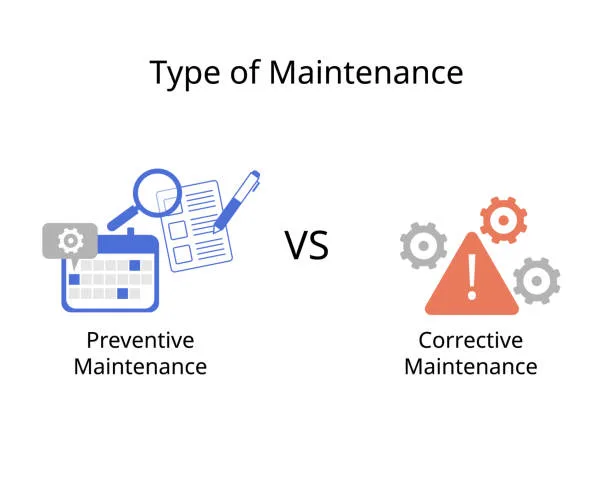
Maintenance is an important part of how well Pakistani companies work. As businesses change and competition heats up, the ways that things are maintained become very important in determining how productive they are. Factory owners are often stuck: should they take preventative steps to make sure their equipment runs smoothly, or should they wait for problems to happen before fixing them? Businesses that want to do well in 2026 and beyond will need to understand the differences between preventive maintenance and reactive maintenance.
Every day, tools are working, so it's important to know which method will not only save money but also make the work better. These are two different methods. This guide will talk about their pros and cons, as well as how using good maintenance plans can help Pakistani factories do better. Come with us as we explore the world of plant maintenance your road map is waiting for you!
Understanding Preventive Maintenance vs Reactive Maintenance
Preventive maintenance includes checks and tasks that are done on a daily basis to keep machines running smoothly. The goal of this method is to stop breakdowns before they happen. This method can cut down on downtime in Pakistani plants by a large amount.
Reactive repair, on the other hand, is done after something breaks. Production often stops all of a sudden because of it. If factories only use this approach, they might have to pay more for repairs and lost time at work.
These are two ways that factory managers should know how to do things. Long-term, preventative maintenance saves time and money. Reactive tactics, on the other hand, can cause chaos when something breaks down unexpectedly.
The choice between them relies on how the factory works and how much money it has. However, a lot of experts say that preventative measures are better for the long term in Pakistan's competitive manufacturing industry.
Benefits of Preventive Maintenance in Factories
Preventive repair changes everything in factories. Businesses can greatly reduce the number of unexpected breakdowns by setting up regular checks and maintenance. This proactive method makes sure that the machinery works well.
Another big gain is less downtime. If the equipment works well, the output process doesn't stop. A plant that has fewer problems can better meet customer needs.
Preventive repair is also very important for cutting costs. Fixing things that break down all the time is usually more expensive than keeping them in good shape. By paying for frequent checks, you can avoid having to buy expensive repairs in the future.
When tools work well and are safe to use, employee morale also goes up. When workers are comfortable in their surroundings, they are more productive.
Performing the same repair tasks over and over again also makes it easier to follow safety rules. Companies can stay out of trouble while still meeting high standards for worker safety and success.
Drawbacks of Reactive Maintenance in Factories
Reactive maintenance can lead to a lot of downtime in manufacturing. Equipment suddenly breaks down, and output stops. This disruption has an influence on output, but also on deadlines and customer satisfaction.
Reactive maintenance is generally more costly. Emergency repairs often use up more resources and can include overtime labor expenditures, which strain the budget.
Faulty machinery or equipment may make it difficult for businesses to maintain quality requirements. “Product is pushed through processes, without the right degree of oversight or care, and consistency suffers.
Implementing a Preventive Maintenance Plan in Pakistani Factories
Creating a preventative maintenance plan involves meticulous planning and implementation. Begin by evaluating the equipment of your factory and pinpointing the vital machinery that need routine maintenance.
Then, create a program of inspections and maintenance according to manufacturer guidelines and operating needs. This can help catch possible problems before they become big problems.
Train your workers to understand why prevention is important. It creates a culture of maintenance accountability where everyone does their share by including the workforce.
Use software solutions for tracking maintenance operations. Systems like these can inform teams when to do checks or replacements, speeding the process up.
Plan should be reviewed and adjusted as needed. Industry standards are always changing. Being flexible will guarantee your operations keep running effectively and you minimize downtime.
Case Studies: Success Stories of Companies with Preventive Maintenance Programs
A big cloth company in Faisalabad has a story of success that stands out. The company cut down on machine downtime by 30% by starting a structured preventive repair program. Operations ran more smoothly thanks to regular checks and replacement of parts when they broke.
Another example can be found near Karachi in a plant that makes parts for cars. They used technology by adding IoT devices that let them check on the health of their tools in real time. This proactive method saved a lot of money on repairs and made important machines last longer.
In Lahore, a food processing business became much more efficient after putting in place regular maintenance plans. Not only did the effort boost productivity, but it also improved product quality, which led to fewer recalls and higher customer satisfaction.
In Pakistan's production sectors, these examples show how strategic planning around preventive maintenance can lead to real benefits.
Conclusion and Recommendations for Pakistan's Factory Industry
The way companies in Pakistan do maintenance is changing. As the business grows, it needs more and better systems to keep things running smoothly. It can make all the difference to know the difference between preventive and reactive upkeep.
There are many benefits to preventive upkeep. It cuts down on downtime, makes tools last longer, and lowers costs overall. When factories use this proactive method, worker morale and productivity often go up.
On the other hand, big problems can happen when you only do reactive upkeep. Unexpected breakdowns throw off production plans and may even cost money because operations have to be stopped.
A strong preventive maintenance plan should be a top concern for Pakistani manufacturers who want to make their businesses more efficient. Start by looking at how things are done now, spending money on training programs for staff, and using technology to keep an eye on the health of your tools.
When you look at case studies, you can see real-life examples of how companies have used preventative strategies to improve performance and cut down on unexpected fixes.
As Pakistan's factory industry grows older, putting an emphasis on good repair plans will be very important for promoting innovation and competition in the region's manufacturing sector. For many companies, taking preventative steps could put them at the forefront of technological progress in 2026 and beyond.
Keep reading
More from the Mantrix blog

Parking Lot Maintenance: Save Money with Preventive Care
A proactive parking lot maintenance strategy helps prevent potholes, cracks, drainage issues, and costly repairs. This guide explains preventive maintenance, common parking lot problems,

Agtech Farm Equipment Maintenance: Common Challenges and How to Solve Them
Farm equipment maintenance is becoming more complex as modern machinery evolves. Learn how digital maintenance systems, preventive scheduling, and agtech solutions can reduce downtime and improve equipment reliability.
Elevator Maintenance Software in Pakistan: Handling Assets, Work Orders, and Inspections
Discover how elevator maintenance software in Pakistan helps facility teams manage assets, inspections, work orders, maintenance records, and multiple properties.