Management
Reduce Maintenance Costs in Pakistan's Textile Mills
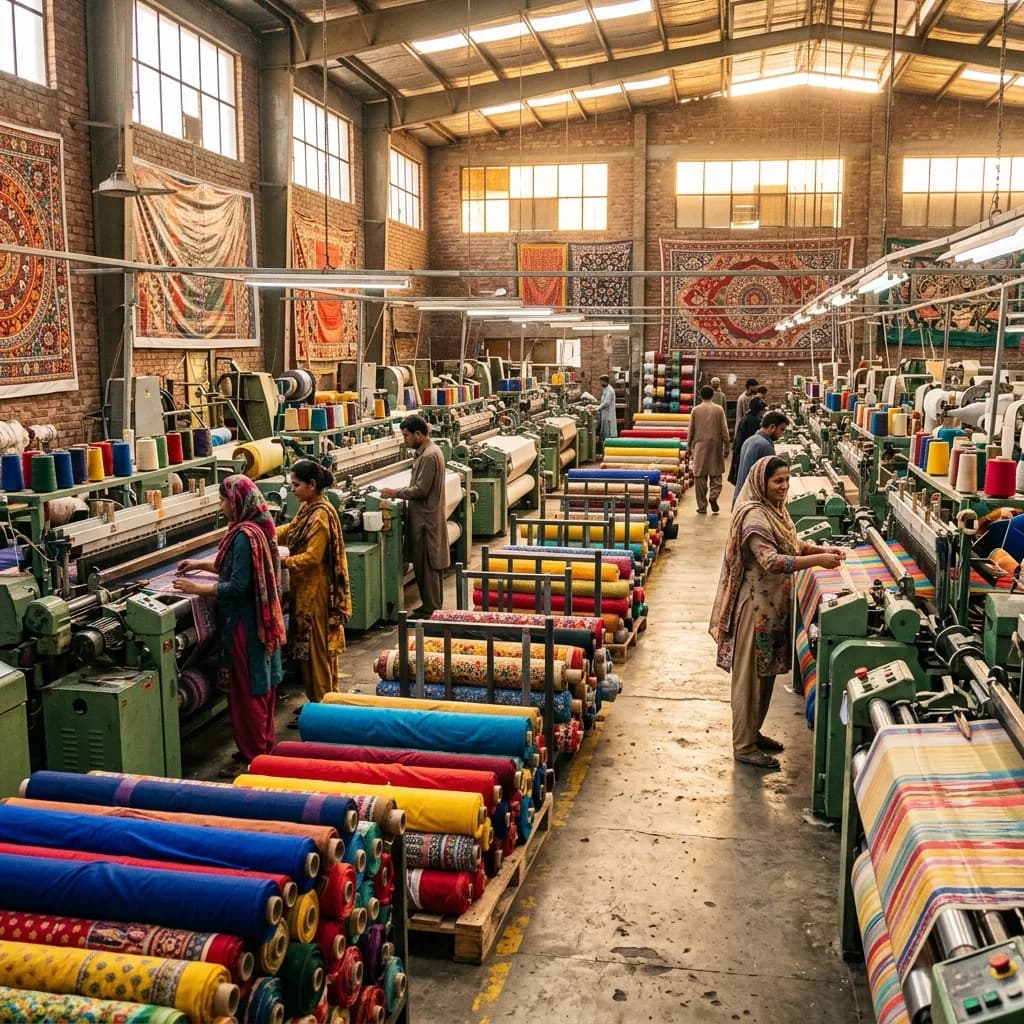
The textile industry in Pakistan is a big part of the income of the country. We know that the textile industry has small profit margins and tight schedules, and that any downtime for machinery has a direct effect on the total profit.
Reduce Maintenance Costs in Pakistan's Textile Mills
The textile industry in Pakistan is a big part of the income of the country. We know that the textile industry has small profit margins and tight schedules, and that any downtime for machinery has a direct effect on the total profit. Facility managers and plant owners are always under pressure to get better yields while taking care of infrastructure that is getting old. Similar challenges are discussed in our guide on maintenance problems in manufacturing, where unplanned downtime and inefficient maintenance processes impact profitability.
In a textile manufacturing company, maintenance is often one of the biggest costs that can be controlled. Still, a lot of places still do repair as a last resort, waiting for something like a spindle or loom to break before fixing it. We don't depend on hope or institutional memory to keep things going. We believe in organized, effective methods that keep things running smoothly.
Fixing or rebuilding textile machinery is a big job, and we know you have a lot of questions about how much it will cost.
Put your mind at ease, and let us show you how using standard maintenance methods can make your operations simple and easy. By using the right structure, Pakistan's textile industries can greatly lower their maintenance costs and work more efficiently overall.
Current Challenges in Textile Maintenance
Textile plants in Pakistan are currently working in a tough setting. We keep running into the same problems that make servicing more expensive and cause machines to break down more often.
The main problem is still the high cost of doing business, which is made worse by changing energy prices and the high cost of importing repair parts. Also, we regularly see a lack of skilled workers who know how to use modern diagnostic methods. Many places are still using old equipment and methods that were used in the past, which needs to be fixed often and with a lot of work.
These wastes don't just give you headaches every day. They have a big effect on profits and the power to compete globally. If you have a continual dyeing range that stops working without warning, you are losing a lot of time and material and it impacts your bottom line.
Strategies for Reducing Maintenance Costs
A structured, multi-level method to taking care of equipment is what we believe in. Textile business owners can protect their capital and cut down on downtime by using the following tips.
Implementing Preventive Maintenance Programs
When it comes to making sure machines work, we don't leave anything to chance. Regular checks are part of preventive maintenance because they find small problems with wear and tear before they get worse and cause a breakdown.
When we do preventative care, we stick to a strict set of steps:
Make it so that all high-speed spinning frames must be inspected once a week to look for worn bearings.
At the end of each shift, clean and grease the weave looms in a planned way.
It is better to replace drive belts and filters at exact operational hour markers than to wait until they break or get clogged.
We help facilities avoid unexpected breakdowns and get a lot more use out of their expensive manufacturing assets by following these steps.
Adopting Predictive Maintenance Technologies
Predictive maintenance uses real-time data to tell you exactly when a machine needs to be fixed. Preventive maintenance is planned ahead of time.
We use certain monitoring tools to keep an eye on the health of our equipment:
Putting vibration sensors on big motors will help you find problems with alignment or instability early on.
Put thermal imaging cameras on electrical panels to find connections that are getting too hot before they cause the power to go out.
Check the oil in gears on a regular basis for tiny metal shavings that show wear inside the gearbox.
With this technology, you can make sure that you only replace parts when they're really needed, which optimizes maintenance plans and cuts down on downtime.
Investing in Training and Skill Development
Techs who run your repair program are what make it work. We give you thorough plans to make sure that your team has the skills it needs to take care of current equipment.
We focus on giving maintenance technicians more skills by giving them specialized training in things like mechanical alignment and electronic diagnostics. Encouraging a mindset of constant improvement makes sure that workers are responsible for the machines they use. This makes repairs better and lessens the need for expensive outside workers.
Optimizing Spare Parts Management
Too much inventory wastes money, but not having a key part on hand causes expensive downtime. To find this balance, we use strict methods for forecasting and keeping track of our supplies.
We use digital tracking tools to keep an eye on how quickly important spares like needles, bearings, and belts are used up. We make sure that new parts are available right away when they are needed by buying cheap, high-quality parts from reputable suppliers ahead of time. This keeps your production lines going and cuts down on the cost of carrying things.
Embracing Lean Manufacturing Principles
Lean production tries to get rid of waste in every step of the process, even in maintenance.
For simple repairs, we make sure that every technician takes the same set of steps. We save time and motion by setting up tool rooms so that maintenance materials are right next to the machines that use them. As a direct result, these streamlined processes lead to higher productivity and lower labor costs per repair.
Successful Cost Reduction Examples
Many forward-thinking textile companies in places like Faisalabad and Karachi have successfully put these principles into their operations. Several local mills have seen up to a 25% drop in unexpected downtime within the first year after switching from reactive to predictive maintenance. By using standard checklists and teaching local skills, these facilities were able to hire fewer expensive foreign technicians. This shows that planned maintenance directly supports long-term growth.
Benefits of Reduced Maintenance Costs
We make sure that improving your maintenance procedures gives you real benefits. It helps a lot more than just the maintenance staff.
Facilities see higher profits and a higher return on investment (ROI) from their current equipment right away. You can safely take on bigger orders with shorter deadlines now that your operations are more productive and efficient. Also, machines that work within their ideal limits make fewer mistakes, which leads to better product quality and consistency. In the long run, this makes the world market more competitive.
Securing the Future of Pakistani Textiles
Textile industries in Pakistan need to move beyond seeing maintenance as a necessary evil and start recognizing it as a strategic benefit to stay competitive. Preventative programs, predictive technologies and lean concepts can be used to dramatically minimize downtime and safeguard the profit margin of facilities.
We feel that sustainable maintenance techniques are the key to long term success. Review your existing maintenance processes, standardize your checklists, and invest in your team’s abilities to build a more efficient and profitable future.
Keep reading
More from the Mantrix blog

Parking Lot Maintenance: Save Money with Preventive Care
A proactive parking lot maintenance strategy helps prevent potholes, cracks, drainage issues, and costly repairs. This guide explains preventive maintenance, common parking lot problems,
Agtech Farm Equipment Maintenance: Common Challenges and How to Solve Them
Farm equipment maintenance is becoming more complex as modern machinery evolves. Learn how digital maintenance systems, preventive scheduling, and agtech solutions can reduce downtime and improve equipment reliability.

Elevator Maintenance Software in Pakistan: Handling Assets, Work Orders, and Inspections
Discover how elevator maintenance software in Pakistan helps facility teams manage assets, inspections, work orders, maintenance records, and multiple properties.