Tackling Maintenance Problems in Manufacturing
Pakistan's economy grows thanks to manufacturing, which drives exports in areas like textiles in Faisalabad and surgical instruments and sports goods in Sialkot.
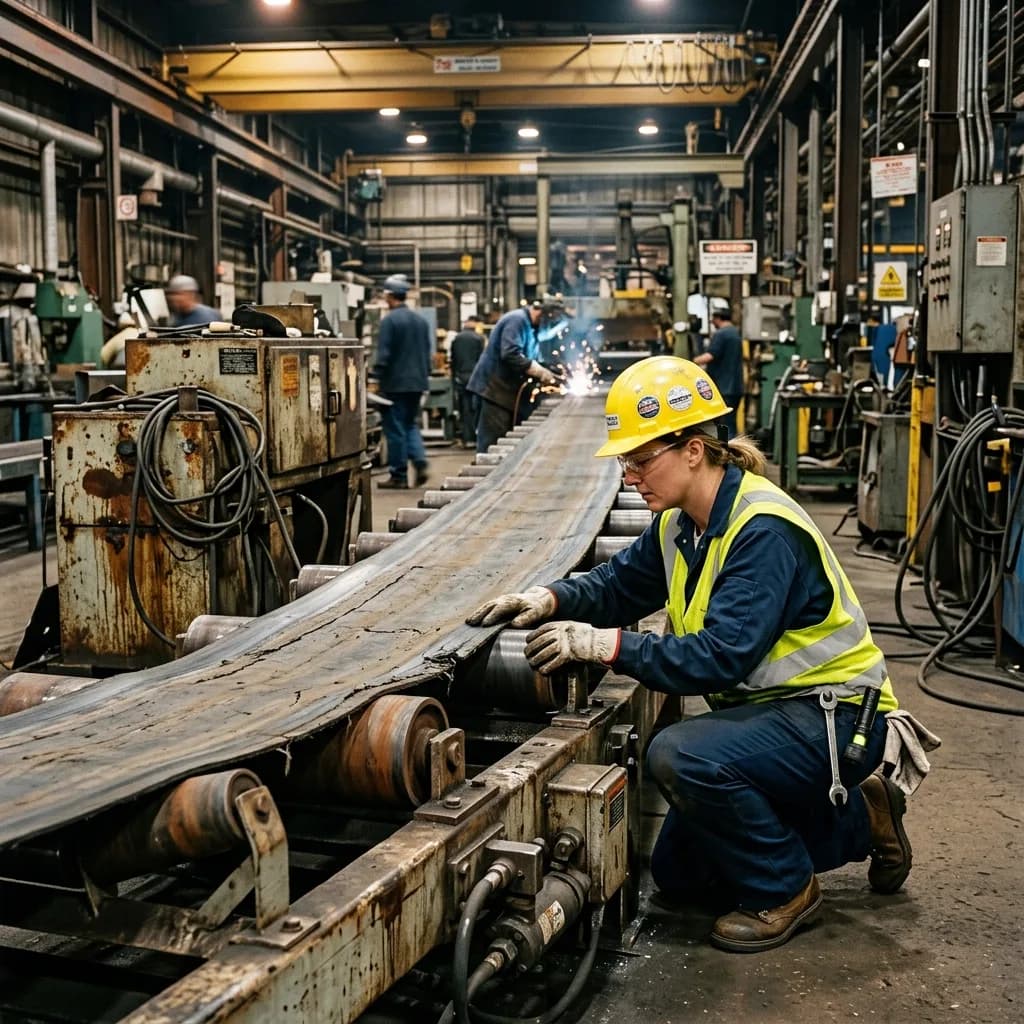
Pakistan's economy grows thanks to manufacturing, which drives exports in areas like textiles in Faisalabad and surgical instruments and sports goods in Sialkot. Though, maintenance issues that aren't planned for are a silent threat to efficiency that can happen anywhere, even on plant floors where machines are busy. When tools break down or don't work at their best, factories have to deal with late shipments, unhappy customers, and smaller profit margins.
For operational success to be reached, these problems must be found and fixed before they happen. "Fix it when it breaks" thinking is no longer a good way to run a business, especially when competing on a global level. Facility managers and factory owners can cut costs by a lot, make their equipment last longer, and stay ahead of the competition by switching to proactive maintenance strategies.
This guide talks about the most common maintenance problems that factories have and gives you ways to fix them so that your production lines keep running smoothly.
The Pervasive Problem of Equipment Downtime
The most immediate and obvious maintenance problem a plant can have is equipment breaking down without warning. When a very important machine stops working, the whole output line often stops. Because of this, the company loses work hours, misses export deadlines, and has a hard time making ends meet.
These unexpected stops are usually caused by a few common things. Most of the time, parts break down because of normal wear and tear that you don't notice. A common problem is not enough lubrication, which causes friction that harms expensive parts. Additionally, operator error can push machinery beyond its intended capacity or bypass essential safety checks.
Predictive repair is the best way to keep production from stopping. By regularly monitoring equipment health and conducting routine inspections, maintenance teams can identify warning signs before a breakdown occurs. Full training for operators also makes sure that the people who use the tools know their limits and how important it is to maintain them every day.
The Hidden Costs of Poor Maintenance Practices
Poor maintenance has effects that go far beyond the instant stop in production. Waiting for a machine to break down before fixing it is called reactive maintenance, and it almost always leads to higher repair costs. For emergency repairs, spare parts need to be shipped quickly, and techs need to be paid extra for working extra hours.
Poor maintenance also cuts the life of tools by a large amount. Wear and tear that doesn't get fixed leads to early failure, which means that plant owners have to spend a lot of money on new equipment much sooner than planned.
Also, equipment that isn't taken care of presents serious safety risks. Accidents and injuries at work can be caused by tools that don't work right, which can lead to tragic outcomes for workers, expensive compensation claims, and large fines from the government.
Using a Computerized Maintenance Management System (CMMS) can assist buildings in switching to a strong preventative maintenance plan, which will guarantee that safety and life are the top priorities. Businesses still relying on spreadsheets should also understand the limitations of manual systems by reading our guide on Excel vs CMMS: Which Is Better for Maintenance Management?
Addressing Ineffective Maintenance Strategies
Even companies that try to do preventative maintenance often have problems because of flaws in their overall strategy. One big problem for area manufacturers is that they don't have enough skilled workers. There is still a big training gap because older, more experienced techs are retiring or moving abroad. If there isn't proper succession planning, new workers might not have the specialized knowledge needed to keep complicated machines running.
Another common problem is not managing extra parts well enough. When you don't have enough extra parts on hand, your machines will be down for longer when they break. This is especially true now that there are problems with import delays. On the other hand, keeping too much goods on hand wastes valuable capital.
A lot of places also have problems with info silos. Managers miss out on important analytical insights when repair records are kept on paper or separate spreadsheets. To fix these problems, producers need to put money into training and development programs for their workers.
Adding Industrial Internet of Things (IIoT) monitors and making inventory systems work better can help close the data gap by showing in real time what parts are needed and when they are needed.
Regulatory Compliance and Environmental Impact
It is very important for businesses that want to sell their goods in Europe and North America to follow both local and foreign rules. When equipment isn't properly kept, it often doesn't work as well as it should, using more energy and making more waste and pollution.
Not following environmental and safety rules can lead to harsh punishments and major damage to your image. More and more, international buyers want supply lines that are sustainable and follow the rules.
Manufacturers can keep their businesses safe by making compliance checks part of their regular maintenance. Prioritizing eco-friendly practices, like reducing hazardous waste and optimizing energy use through proper equipment calibration, lowers electricity bills and makes sure that global standards are met.
Embracing Technology for Modern Maintenance
The future of industrial maintenance lies in digital change. Modern technologies give managers a level of visibility into plant operations that has never been seen before. This lets them spot problems before they cause a disruption.
Real-time Monitoring with IoT
Older machines can have VIoT devices and sensors linked to them so that temperature, vibration, and energy output can be tracked. With this real-time data, techs can find early signs that a part is starting to break down.
Artificial Intelligence and Machine Learning
AI algorithms take the data gathered by IoT sensors and use it for predictive analytics. By analyzing historical performance patterns, machine learning tools can accurately forecast when a specific machine will require servicing, allowing teams to schedule repairs during planned downtime.
Augmented Reality for Training
Augmented Reality (AR) is emerging as a powerful tool for maintenance training and execution. Junior technicians wearing AR glasses can receive remote, step-by-step guidance from senior engineers located anywhere in the world, ensuring complex repairs are done correctly the first time.
Digital Twins
Digital twins are virtual replicas of a physical machine or an entire production line. Facility managers may model performance for different scenarios to optimize operations and test maintenance methods online, without the danger of real downtime.
Real-World Success in Local Manufacturing
Imagine a large-scale textile plant in Faisalabad. The factory had been doing reactive maintenance for years, and they often shut down production owing to unanticipated motor problems in their weaving looms. A rudimentary vibration sensor and a CMMS were installed and the maintenance crew began to track the health of each loom.
Within six months the mill was on a preventive plan. Three major motor failures were predicted accurately and the bearings were replaced during the scheduled shift changes avoiding mid-production failures. This simple technological change saved the corporation millions of rupees in lost output and hastened shipping expenses for emergency parts.
Securing the Future of Your Factory Floor
Industrial maintenance is a complicated task, with issues ranging from rapid equipment breakdown and skills shortages to rising energy prices and stringent export compliance. But these problems are perfectly solvable with the appropriate approach.
If you want to cut downtime and safeguard your bottom line, the key is shifting away from reactive practices and using technological solutions such as CMMS, IoT and AI. The future of manufacturing is proactive smart maintenance. Caring for your equipment today means your factory will stay competitive, safe and productive for years to come.
Keep reading
More from the Mantrix blog

Parking Lot Maintenance: Save Money with Preventive Care
A proactive parking lot maintenance strategy helps prevent potholes, cracks, drainage issues, and costly repairs. This guide explains preventive maintenance, common parking lot problems,

Agtech Farm Equipment Maintenance: Common Challenges and How to Solve Them
Farm equipment maintenance is becoming more complex as modern machinery evolves. Learn how digital maintenance systems, preventive scheduling, and agtech solutions can reduce downtime and improve equipment reliability.
Elevator Maintenance Software in Pakistan: Handling Assets, Work Orders, and Inspections
Discover how elevator maintenance software in Pakistan helps facility teams manage assets, inspections, work orders, maintenance records, and multiple properties.