Reducing Maintenance Costs
Reducing Maintenance Costs with CMMS Software
Costs for maintenance can be a big problem for companies of all kinds. These costs can add up quickly whether you're in charge of machinery in a factory or facilities equipment.

Costs for maintenance can be a big problem for companies of all kinds. These costs can add up quickly whether you're in charge of machinery in a factory or facilities equipment. Every breakdown, every fix, and every minute spent on maintenance eats into your bottom line.
But what if there was a way to streamline your maintenance processes and cut down those soaring costs? Here comes CMMS software, your new best friend as you try to cut down on maintenance costs and get things done faster. You can be in charge of your business like never before if you have the right tools.
Learn more about how CMMS software works and how it can change the way you handle maintenance!
What is CMMS Software?
Computerized Maintenance Management System is what CMMS stands for. This software is meant to make maintenance tasks easier and the whole process more efficient.
At its core, CMMS helps organizations manage their assets successfully. It has tools for managing inventory, setting up preventative upkeep, and keeping track of work orders.
With an easy-to-use interface, users can quickly get to information about the past and performance of equipment. This information helps you make choices and put tasks in order of importance or urgency.
In a fast-paced business environment where every moment counts, adopting CMMS software can lead to significant improvements in productivity. By automating routine processes, it helps teams to focus on strategic initiatives instead of getting bogged down by administrative tasks.
Benefits of Using CMMS Software for Maintenance Management
CMMS software revolutionizes maintenance management by streamlining operations. Teams can get to important data at any time with a centralized platform. This makes it easier for staff to talk to each other and work together.
One of the standout benefits is improved asset longevity. By planning regular repair tasks, businesses can keep their equipment from breaking down and keep it working for longer.
CMMS also makes it easier to keep track of inventory levels. Knowing exactly what spare parts you have on hand reduces unnecessary purchases and minimizes downtime when repairs are needed.
Real-time analytics from these tools help people make smart choices. Managers can see trends and areas that need more work, which helps them better allocate resources.
Dashboards that are easy to use help employees stay on top of their work without any problems or delays. This efficiency translates into reduced operational costs over time while enhancing overall productivity.
Features to Look for in a CMMS Software
When choosing CMMS software, it's important that it's easy to use. A straightforward interface allows your team to easily navigate the system, minimizing training time and maximizing efficiency.
Look for robust reporting tools. The ability to create detailed reports helps you analyze equipment performance and maintenance history, allowing informed decision-making.
Integration options are also very important. Your CMMS should be able to easily connect to other programs, like ERP or software for managing your supplies. This enhances data accuracy across platforms.
Mobile access can also be a game-changer. Technicians who are out in the field can quickly fix problems without having to go back to their desks thanks to real-time updates and notifications.
Consider customization features. Every business has unique needs; having the flexibility to tailor workflows ensures that your CMMS aligns perfectly with your operational goals.
Tips for Implementing CMMS Software in Your Business
CMMS tools can really change things, but you need to plan it out very carefully. Get your team involved right from the start. Their ideas will help the system work the way some people want it to.
Next, assess your current maintenance processes. Identify pain points and areas for improvement before transitioning to new software. Having this knowledge will help you choose the right features.
Training is crucial once you've chosen a system. Organize hands-on sessions that improve user confidence with the software. A group of people who know a lot of things work more quickly and mistake less.
Consider starting with a pilot program before full adoption. This allows you to gather feedback and make necessary adjustments without overwhelming your organization.
Make sure you can talk to each other during the whole process. Make sure that your workers feel like they can talk about their concerns or ideas about the CMMS software as it changes in your business.
Case Studies: Real-Life Examples of Cost Savings with CMMS Software
One interesting case study was about a factory that had a lot of problems with machines breaking down all the time. Within six months of installing CMMS software, they saw a 30% drop in unplanned downtime. This change not only cut down on repair costs, but it also made work get done faster.
One more example comes from a health care group. By utilizing CMMS for their maintenance scheduling, they reduced their yearly maintenance expenses by nearly 25%. They were able to better use their resources and focus on patient care instead of tech problems after streamlining their processes.
A transportation company integrated CMMS into its fleet management strategy, leading to major savings in fuel and maintenance costs. With predictive analytics, they were able to schedule inspections and repairs at the right times, which greatly increased the longevity of the vehicles.
In these real-life examples, the real benefits of using CMMS software in different fields are shown, along with the chance to save money through proactive maintenance plans.
Conclusion and Recommendations
It's not enough for businesses to want to lower their upkeep costs; they have to do it if they want to stay competitive. Adopting CMMS software can streamline your maintenance processes, enhance efficiency, and eventually lead to significant savings.
When selecting the right CMMS software, prioritize features that align with your specific needs. Look for user-friendly interfaces, mobile access, reporting capabilities, and integration choices. The right tools will empower your team to manage assets effectively while minimizing downtime.
Careful planning is needed for implementation. Get your employees involved early on and make sure they have the right training to make sure the adoption goes well. Regularly check speed metrics to see how well they're working and make changes as needed.
Real-life examples illustrate the potential of CMMS software in reducing maintenance costs dramatically across various industries. Companies have reported up to 30% savings on their maintenance budgets after implementing these systems properly.
When you think about the long-term benefits of lower operational costs and longer asset life, the time you spend on research and implementation is well worth it. Embracing CMMS technology is an intelligent strategy for any business looking to thrive amid economic challenges while focusing on growth chances ahead.
Keep reading
More from the Mantrix blog

Parking Lot Maintenance: Save Money with Preventive Care
A proactive parking lot maintenance strategy helps prevent potholes, cracks, drainage issues, and costly repairs. This guide explains preventive maintenance, common parking lot problems,

Agtech Farm Equipment Maintenance: Common Challenges and How to Solve Them
Farm equipment maintenance is becoming more complex as modern machinery evolves. Learn how digital maintenance systems, preventive scheduling, and agtech solutions can reduce downtime and improve equipment reliability.
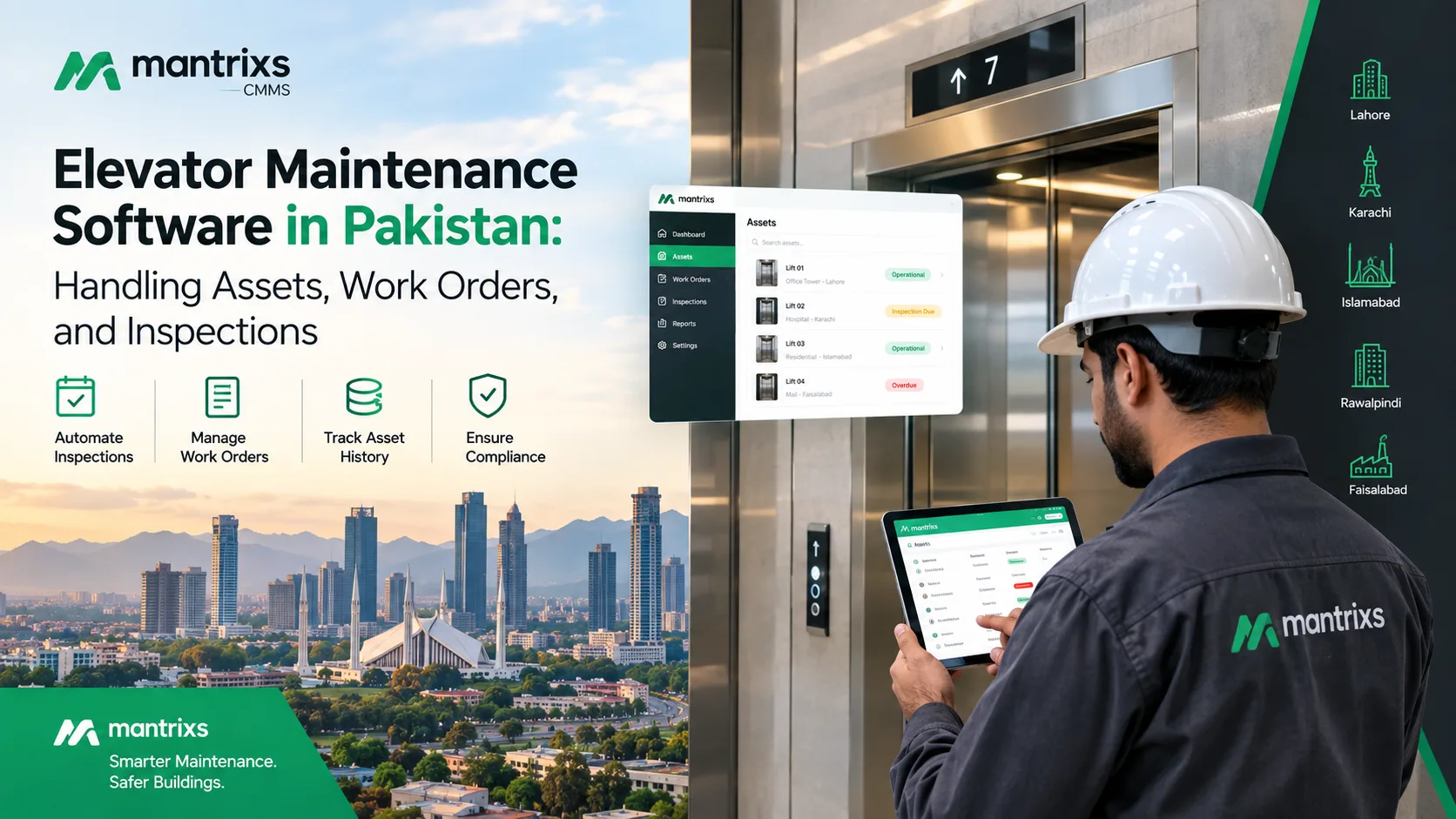
Elevator Maintenance Software in Pakistan: Handling Assets, Work Orders, and Inspections
Discover how elevator maintenance software in Pakistan helps facility teams manage assets, inspections, work orders, maintenance records, and multiple properties.