Run-to-Failure (RTF)
Run-to-Failure Maintenance: Definition, Benefits, Risks & Best Practices
Run-to-failure maintenance is a planned strategy where equipment is allowed to operate until it fails. Learn when this approach makes sense, its benefits and risks, and how maintenance teams can use it effectively.
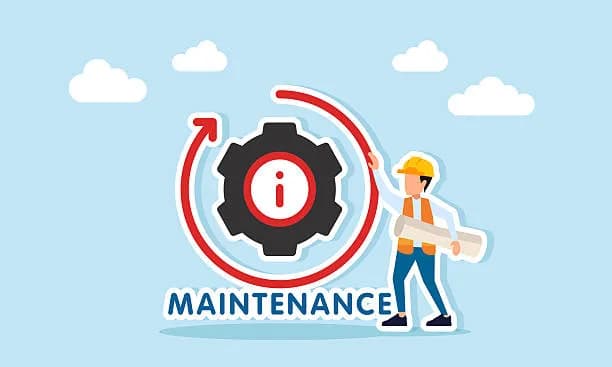
The maintenance team always ends up with the same question: should we fix it before it breaks or wait until it does? Waiting for some assets isn't just a lazy thing to do; it's a planned move. This method is called "Run-to-Failure Maintenance," and a facility can save a lot of time and money by knowing when to use it and when not to.
This guide will explain what Run-to-Failure Maintenance really is, when it makes sense, what its pros and cons are, and the best ways to use it to avoid making a mistake that costs a lot of money.
What Is Run-to-Failure Maintenance?
You can also call this type of maintenance "reactive maintenance" or "breakdown maintenance." With this method, you don't service equipment on a regular basis or based on conditions. Instead, you let it run until it breaks. Things are only fixed or replaced when they stop working.
Preventive or predictive maintenance try to find problems before they get too bad. Run-to-Failure Maintenance, on the other hand, lets failure happen as part of the plan. The key word here is "intentional." A real "run-to-failure" strategy is a choice, not just not having a repair plan.
How Run-to-Failure Maintenance Works
A run-to-failure model says that an asset should work normally without any planned checks, part replacements, or condition tracking to keep it from breaking down. When it finally stops working, the support team fixes it or gets a new one. This method is usually used for:
Cheap equipment that isn't necessary
Assets that already have two copies of themselves
Equipment that costs less to replace than to keep up with maintenance parts that fail in unpredictable or unavoidable ways.
Benefits of Run-to-Failure Maintenance
1. Lower Upfront Maintenance Costs
With this plan, you don't have to buy tools for condition monitoring, scheduled inspections, or scheduled inspections. This saves money on day-to-day maintenance costs.
2. Simplified Planning
Teams don't have to make thorough maintenance plans or keep track of condition data for every low-priority asset. This gives them more time to work on important equipment.
3. Full Use of Asset Lifespan
Run-to-failure lets equipment be used until it really stops working, extending its useful life. This is better than changing parts based on a schedule or an estimate of how much wear they've been through.
4. Ideal for Non-Critical Assets
For machines that don't affect safety or production when they break, run-to-failure keeps resources from being wasted on maintenance that isn't needed.
Risks and Drawbacks of Run-to-Failure Maintenance
1. Unplanned Downtime
Failures can happen out of the blue and stop activities, which can throw off production schedules.
2. Higher Repair Costs
A lot of the time, emergency repairs, ordering parts quickly, and working extra hours cost more than planned maintenance would have.
3. Safety Hazards
When machines with moving parts, pressure, or electrical systems break down without warning, it can put workers in dangerous situations.
4. Secondary Damage
A broken part can sometimes damage other parts or systems nearby, changing a small problem into one that needs a much bigger fix.
5. Reduced Equipment Lifespan (for Critical Assets)
When you run important machines until they break, the wear on other systems can spread and shorten the life of the whole machine.
Best Practices for Implementing Run-to-Failure Maintenance
Sort your assets first. Every piece of tools isn't a good fit. Criticality analysis can help you figure out which assets can be left alone until they break and which ones need to be maintained before they do.
Keep extra parts on hand. Failures don't happen when you plan them to, so having new parts on hand cuts down on downtime when they do.
Keep a response plan handy. Even reactive maintenance needs a plan. Failures are less of a problem when everyone knows their job, there is quick communication, and the fix process works well.
Track Failure Data: Writing down when and why assets fail can help you find trends and change your plan if failures happen too often or cost too much.
Check it often: As things get older or working conditions change, an asset that used to be safe to use until it broke down might need to switch to a preventative or predictive approach.
Don't use it on equipment that is safety-critical. Run-to-failure should never be used on assets that could put workers in danger, hurt the environment, or cause big compliance problems if they fail.
Is Run-to-Failure Maintenance Right for You?
Run-to-Failure Maintenance isn't inherently good or bad; it's just a tool that works better in some cases than others. When used properly on the right assets, it can cut costs that aren't necessary and make maintenance easier. If not used properly, it can cause expensive downtime, safety risks, and technology that doesn't last as long.
Maintenance teams that do their jobs well don't rely on just one approach. They mix preventive, predictive, and run-to-failure maintenance based on how important, expensive, and likely to fail each asset is.
Now is the time to look at your current maintenance plan and make a data-driven one if you want to make it smarter. This way, you'll know which assets to let break down on their own and which ones need proactive care. Contact our team right away to have them look at your equipment and come up with a repair plan that fits the needs of your building.
Keep reading
More from the Mantrix blog

Parking Lot Maintenance: Save Money with Preventive Care
A proactive parking lot maintenance strategy helps prevent potholes, cracks, drainage issues, and costly repairs. This guide explains preventive maintenance, common parking lot problems,
Agtech Farm Equipment Maintenance: Common Challenges and How to Solve Them
Farm equipment maintenance is becoming more complex as modern machinery evolves. Learn how digital maintenance systems, preventive scheduling, and agtech solutions can reduce downtime and improve equipment reliability.
Elevator Maintenance Software in Pakistan: Handling Assets, Work Orders, and Inspections
Discover how elevator maintenance software in Pakistan helps facility teams manage assets, inspections, work orders, maintenance records, and multiple properties.